Melatonin 2.5 mg: Uses, Timing, and Safety
Melatonin is a hormone the body naturally produces in response to darkness. It helps regulate the sleep-wake cycle, also called the circadian rhythm. Melatonin supplements, including 2.5 mg products, are used by some people for sleep-related concerns. Whether this amount is appropriate depends on the person, the reason for taking it, and other health factors.
What Is a 2.5 mg Melatonin Dose?
A 2.5 mg dose contains 2.5 milligrams of melatonin. It is a commonly available supplement strength, but it is not a standard dose for everyone. More melatonin does not necessarily lead to better sleep, and supplement labels and formulations can vary.
Melatonin may be more helpful for adjusting the timing of sleep—such as with jet lag or a disrupted sleep schedule—than for treating ongoing insomnia. Research findings vary, and benefits may be modest. Persistent sleep problems may have causes that melatonin cannot address.
When Is Melatonin Usually Taken?
Timing depends on why melatonin is being used and whether the product is immediate- or extended-release. For some sleep concerns, people take it before their intended bedtime, but the best timing can differ when trying to shift a circadian rhythm. Follow the product label and ask a health care professional or pharmacist for guidance, especially if the goal is to adjust a sleep schedule.
Melatonin is not an instant sedative. Taking it at the wrong time may not help and could shift the sleep schedule in an unwanted direction. Avoid driving or doing tasks that require alertness if you feel drowsy after taking it.
Possible Side Effects
Melatonin can cause side effects, including:
- Sleepiness or grogginess the next day
- Headache or dizziness
- Nausea
- Vivid dreams
Stop using the supplement and seek medical advice if you experience a concerning reaction. Avoid combining melatonin with alcohol or other substances that cause drowsiness unless a health care professional says it is appropriate.
Interactions and Who Should Ask a Professional First
Melatonin may interact with some medicines, including certain blood thinners, seizure medicines, diabetes or blood pressure medicines, and drugs that affect the immune system. This is not a complete list. Check with a health care professional or pharmacist before using it if you take prescription or over-the-counter medicines.
People who are pregnant or breastfeeding, have a chronic health condition, or are considering melatonin for a child should seek professional advice before using it. Children should not be given melatonin without guidance from a pediatric health care professional.
Choosing a Supplement
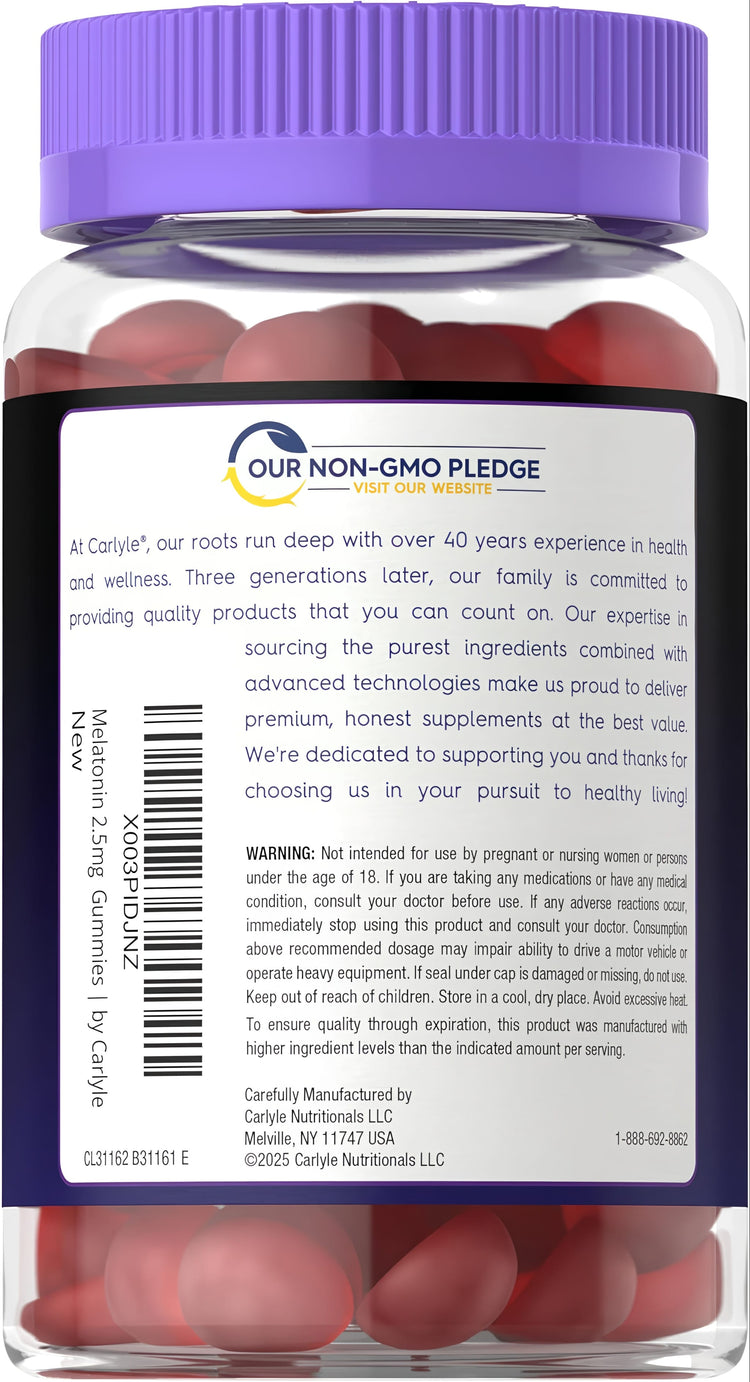
In the United States, melatonin is sold as a dietary supplement. Supplements are not reviewed by the FDA for effectiveness before they are marketed, and the amount in a product may not always match what consumers expect. Choose products from reputable manufacturers and look for independent quality testing when available. Keep supplements out of reach of children.
When to Get Help for Sleep Problems
Talk with a health care professional if sleep problems continue, regularly affect daytime functioning, or come with symptoms such as loud snoring, pauses in breathing, or severe daytime sleepiness. A consistent wake time, a calming bedtime routine, reduced evening light, and limiting caffeine late in the day may also support better sleep.
Bottom line: Melatonin 2.5 mg is one available supplement strength, not a one-size-fits-all recommendation. Consider the reason for use, timing, possible interactions, and personal health circumstances before taking it. For ongoing sleep difficulties, professional guidance can help identify the cause and the most appropriate treatment.
7 Potential Benefits and Practical Advantages of Melatonin 2.5 mg
- May support the body’s sleep-wake rhythm.
- May help with jet lag.
- May help adjust sleep timing.
- Offers a clearly labeled 2.5 mg amount.
- Available in many pharmacies and stores.
- May be useful for short-term sleep timing concerns.
- Can be discussed with a health care professional for personalized guidance.
6 Potential Drawbacks of Melatonin 2.5 mg
- May cause next-day drowsiness.
- Can trigger headaches or dizziness.
- May cause vivid dreams or nausea.
- Can interact with some medications.
- May not improve chronic insomnia.
- Supplement strength and quality can vary.
May support the body’s sleep-wake rhythm.
Melatonin 2.5 mg may support the body’s sleep-wake rhythm by providing a signal that it’s time to wind down, particularly when the natural sleep schedule is temporarily disrupted by travel or changes in routine. Its effects can depend on when it’s taken and individual factors, so follow the product directions and ask a health care professional if you’re unsure whether it’s right for you.
May help with jet lag.
A 2.5 mg melatonin supplement may help ease jet lag by supporting the body’s adjustment to a new time zone. Taken at an appropriate time based on the destination’s local bedtime, melatonin may help shift the sleep-wake cycle and make it easier to fall asleep. Timing matters, and effects vary, so follow the product label or ask a health care professional for guidance—especially if you take other medications.
May help adjust sleep timing.
Melatonin 2.5 mg may help adjust sleep timing by signaling to the body that it’s time to prepare for sleep. This can be useful when the sleep-wake schedule is temporarily out of sync, such as after travel across time zones or a change in routine. The best timing for taking melatonin depends on the situation, so follow the product label and ask a health care professional for guidance.
Offers a clearly labeled 2.5 mg amount.
A melatonin 2.5 mg product offers a clearly labeled amount per serving, making it easier to know how much the supplement provides and compare it with other products. Clear labeling can also help users follow package directions and discuss the amount with a health care professional. However, the right amount and timing can vary, so a labeled dose should not be taken as a recommendation for everyone.
Available in many pharmacies and stores.
Melatonin 2.5 mg is available at many pharmacies and retail stores, making it relatively easy to find without a prescription in the United States. It is also commonly sold through online retailers, so shoppers can compare brands and product formats. Availability varies by location, and it’s a good idea to check the label and consult a health care professional or pharmacist before use.
May be useful for short-term sleep timing concerns.
Melatonin 2.5 mg may be useful for short-term sleep timing concerns, such as adjusting to jet lag or a temporary change in schedule. Because melatonin helps regulate the body’s sleep-wake rhythm, taking it at an appropriate time may support a shift in when you feel ready to sleep. The best timing depends on the situation, so follow the product label and ask a health care professional or pharmacist for guidance.
Can be discussed with a health care professional for personalized guidance.
Melatonin 2.5 mg can be discussed with a health care professional to determine whether it fits your needs and how to use it safely. A professional can consider your sleep concerns, health history, and other medications, then offer personalized guidance on timing, potential side effects, and whether another approach may be more appropriate.
May cause next-day drowsiness.
Melatonin 2.5 mg may cause next-day drowsiness or grogginess, especially if taken too late at night or when there isn’t enough time for a full night of sleep. This can affect alertness, concentration, and coordination the following day. Avoid driving or operating machinery if you feel drowsy, and talk with a health care professional if the effect persists or interferes with daily activities.
Can trigger headaches or dizziness.
Melatonin 2.5 mg can cause side effects such as headaches or dizziness in some people. These symptoms may be more noticeable when first taking the supplement or if it leaves you feeling groggy the next day. Avoid driving or operating machinery if you feel dizzy or unusually sleepy, and talk with a health care professional if symptoms are severe, persistent, or concerning.
May cause vivid dreams or nausea.
Melatonin 2.5 mg may cause side effects in some people, including vivid or unusual dreams and nausea. These effects are often mild, but they can be uncomfortable or disrupt sleep. If they persist, worsen, or concern you, stop taking the supplement and consult a health care professional.
Can interact with some medications.
Melatonin 2.5 mg may interact with some prescription and over-the-counter medications, potentially changing how either product works or increasing side effects such as drowsiness. Interactions may involve blood thinners, seizure medications, and certain drugs for blood pressure, diabetes, or immune conditions. Because the risks depend on your medications and health history, check with a doctor or pharmacist before taking melatonin, and share a complete list of the medicines and supplements you use.
May not improve chronic insomnia.
Melatonin 2.5 mg may not improve chronic insomnia, which involves ongoing difficulty falling asleep, staying asleep, or getting restorative sleep. It may help with sleep timing for some people, but it does not necessarily address underlying causes such as stress, medical conditions, medications, or other sleep disorders. If sleep problems persist, consult a health care professional to identify the cause and discuss treatments that may be more effective.
Supplement strength and quality can vary.
One drawback of melatonin 2.5 mg is that supplement strength and quality can vary between products. The amount listed on the label may not always precisely reflect what a supplement contains, and formulations can differ in how quickly they release melatonin. Choosing a product from a reputable manufacturer, checking for independent quality testing, and asking a pharmacist or health care professional for guidance can help reduce uncertainty.