How to Overcome Stress: Practical Steps for a Calmer, Healthier Life
Stress is a normal response to pressure, change, or uncertainty. In small amounts, it can help you focus and respond to challenges. But when stress becomes constant, it may affect your sleep, mood, relationships, and overall well-being. Learning to manage stress doesn’t mean eliminating every challenge. It means building healthy ways to respond to them.
Recognize Your Stress Signals
Stress can show up in different ways. You might feel tense, irritable, worried, or overwhelmed. You may also notice headaches, muscle tightness, trouble sleeping, changes in appetite, or difficulty concentrating. Paying attention to these signals can help you take action before stress builds up.
Focus on What You Can Control
When everything feels urgent, pause and identify what needs your attention right now. Write down your responsibilities, then sort them by importance. Break larger tasks into smaller steps and choose one manageable action to begin with. If possible, set boundaries, ask for help, or postpone tasks that are not essential.
Use Simple Techniques to Settle Your Body
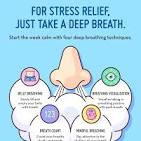
A few minutes of intentional breathing can help you slow down and regain focus. Try breathing in gently through your nose and breathing out a little more slowly. Repeat for several cycles, without forcing your breath. A short walk, stretching, or another gentle form of movement can also help release tension.
Grounding can be useful when your thoughts feel overwhelming. Notice what is around you: name a few things you can see, hear, and feel. This can bring your attention back to the present moment.
Support Your Well-Being with Daily Habits
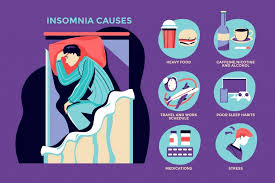
Healthy routines can make it easier to cope with pressure. Aim for regular sleep, balanced meals, movement that feels comfortable, and time to rest. Consider limiting caffeine if it makes you feel more anxious or affects your sleep. Make room for activities and relationships that help you feel connected and restored.
It may also help to take breaks from constant notifications and news. Choose specific times to check messages rather than feeling compelled to respond immediately throughout the day.
Talk About What’s Going On
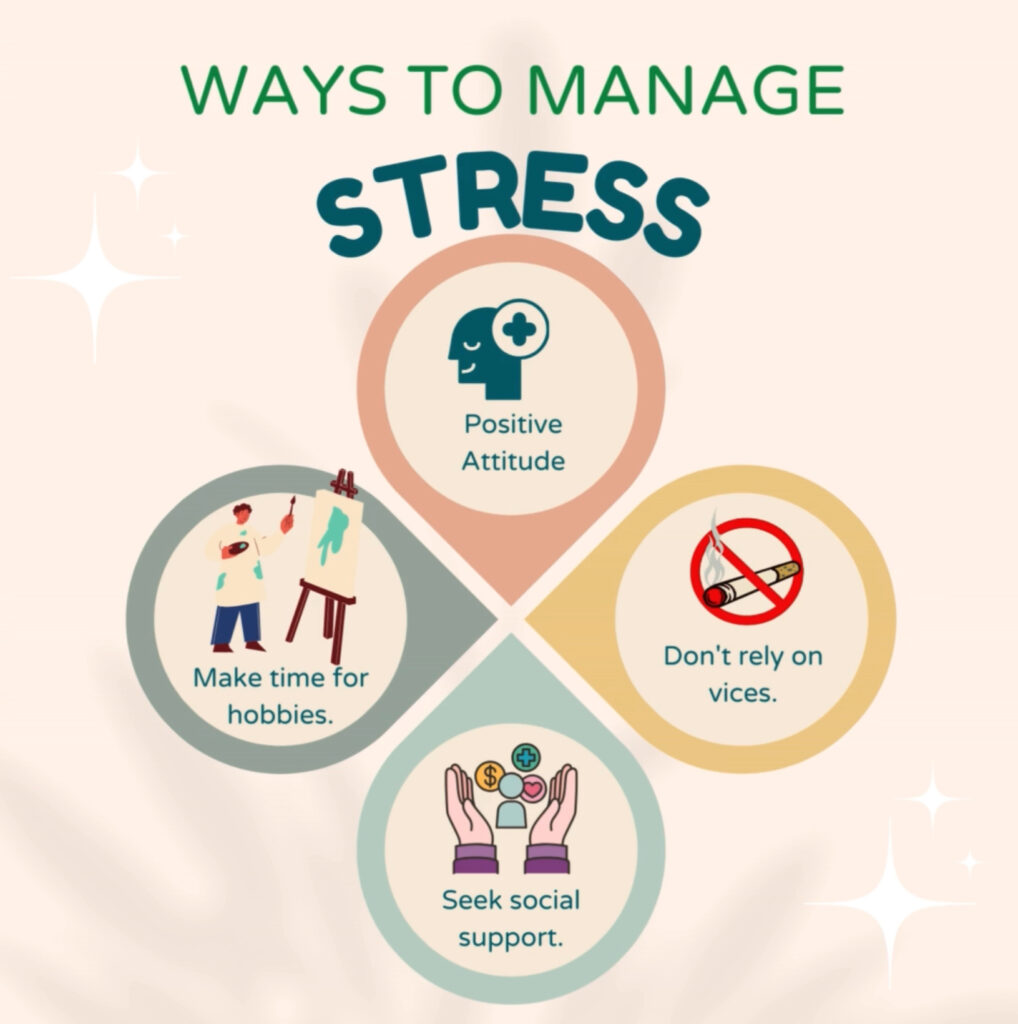
You don’t have to handle stress alone. Sharing what you’re experiencing with someone you trust may help you feel supported and see the situation more clearly. If a problem feels too large to manage, ask for practical help with a specific task or next step.
Know When to Seek Professional Support
If stress is persistent, interfering with daily life, or making it difficult to sleep, work, or maintain relationships, consider speaking with a qualified health professional. A therapist, counselor, or doctor can help you understand what’s contributing to your stress and explore appropriate support. If you feel at risk of harming yourself or someone else, seek urgent help from local emergency services or a crisis support service.
Take One Small Step
Overcoming stress is often a gradual process, not a single breakthrough. Start with one small action: take a brief walk, write down your priorities, practice a few slow breaths, or reach out to someone you trust. Small, repeatable steps can help you feel more capable and create a steadier foundation for facing life’s challenges.
9 Benefits of Overcoming Stress for a Healthier, Happier Life
- Improves emotional well-being
- Supports better sleep
- Boosts focus and clarity
- Reduces physical tension
- Builds resilience
- Encourages healthier habits
- Strengthens relationships
- Makes challenges feel manageable
- Supports long-term health
5 Challenges of Managing Stress
- Stress management takes time and consistent effort.
- Some techniques may not work for everyone.
- Progress can be gradual rather than immediate.
- Avoiding stressors may leave problems unresolved.
- Professional support may involve cost or scheduling challenges.
Improves emotional well-being
Overcoming stress can improve emotional well-being by helping you feel calmer, more balanced, and better able to handle everyday challenges. As stress becomes more manageable, you may notice fewer feelings of overwhelm and irritability, along with greater clarity, confidence, and enjoyment in daily life.
Supports better sleep
Managing stress can support better sleep by helping calm racing thoughts and ease physical tension at bedtime. Relaxing routines, gentle breathing, and setting aside worries before bed may make it easier to fall asleep and stay asleep. More restorative sleep can also improve mood, focus, and resilience the next day.
Boosts focus and clarity
Overcoming stress can boost focus and clarity by freeing your mind from constant worry and helping you direct your attention to what matters most. With less mental pressure, it may become easier to organize your thoughts, make decisions, solve problems, and stay present in everyday tasks. Over time, healthy stress-management habits can support a calmer, more focused approach to work and life.
Reduces physical tension
Reducing stress can ease physical tension throughout the body. When you feel stressed, your muscles may tighten, sometimes leading to discomfort in your neck, shoulders, jaw, or back. Relaxation techniques such as slow breathing, gentle stretching, and mindful movement can help your body release that tension. With regular practice, you may feel more comfortable, relaxed, and at ease in your daily life.
Builds resilience
Overcoming stress can build resilience—the ability to adapt, recover, and keep moving forward through challenges. As you learn which coping strategies work for you, setbacks may feel more manageable, and you can gain confidence in your ability to handle future difficulties. Resilience doesn’t mean never feeling stressed; it means developing healthy ways to respond and regain your footing.
Encourages healthier habits
Overcoming stress can encourage healthier habits that support your well-being over time. As you find better ways to manage pressure, you may be more likely to get consistent sleep, make nourishing food choices, stay physically active, and set healthier boundaries. These habits can improve your resilience and make everyday challenges feel more manageable.
Strengthens relationships
Overcoming stress can strengthen your relationships by helping you communicate more calmly, listen with greater patience, and be more present with the people you care about. When you manage stress effectively, you may be less likely to take frustration out on others and better able to discuss challenges constructively. This can build trust, deepen understanding, and create more supportive connections.
Makes challenges feel manageable
Overcoming stress can make challenges feel more manageable by helping you think clearly and focus on one step at a time. Instead of feeling overwhelmed by everything at once, you can identify what matters most, consider your options, and take practical action. This calmer perspective can build confidence and make it easier to handle setbacks, solve problems, and move forward.
Supports long-term health
Managing stress can support long-term health by helping reduce the strain that ongoing tension places on the body and mind. Healthy coping habits—such as regular physical activity, restorative sleep, relaxation, and social support—can promote overall well-being and make everyday challenges easier to handle. Stress management isn’t a guarantee against illness, but it can be a valuable part of a balanced, health-supporting lifestyle.
Stress management takes time and consistent effort.
One challenge of managing stress is that it takes time and consistent effort. Relaxation techniques, healthier routines, and new ways of responding to pressure may not bring immediate results, and progress can feel uneven. Building these habits gradually and practicing them regularly can make them easier to maintain and more effective over time.
Some techniques may not work for everyone.
Some stress-management techniques may not work for everyone. A breathing exercise, meditation practice, or workout that helps one person feel calmer might feel uncomfortable or ineffective for someone else. It may take time to find approaches that fit your needs, preferences, and circumstances, so be patient and consider trying different strategies. If stress continues to interfere with daily life, a qualified health professional can help you explore additional support.
Progress can be gradual rather than immediate.
One challenge of overcoming stress is that progress can be gradual rather than immediate. Even after making positive changes, you may still have difficult days or return to old habits when life gets demanding. This can feel discouraging, but it doesn’t mean you’re failing. Stress management is a skill that develops over time, and steady, realistic steps can lead to lasting improvement.
Avoiding stressors may leave problems unresolved.
Avoiding stressors can bring short-term relief, but it may leave the underlying problems unresolved. Delaying a difficult conversation, putting off an important task, or ignoring a source of ongoing tension can allow the issue to grow and create more stress later. When possible, take a gradual, practical approach: identify what’s causing the stress, choose one manageable next step, and seek support if you need help addressing it.
Professional support may involve cost or scheduling challenges.
Professional support can be helpful when stress feels difficult to manage, but accessing it may come with practical challenges. Therapy or coaching can be costly, and insurance coverage or affordable options may be limited. Finding a provider with availability that fits your schedule can also take time, especially when work, caregiving, or other responsibilities make appointments difficult to attend. Planning ahead, asking about fees or sliding-scale options, and exploring virtual services may help make support more accessible.