Parkinson’s Insomnia: Understanding the Link and Managing Symptoms
Parkinson’s disease is a neurodegenerative disorder that affects movement, balance, and coordination. In addition to motor symptoms, such as tremors and stiffness, many individuals with Parkinson’s also experience non-motor symptoms, including insomnia.
Insomnia is a common sleep disorder characterized by difficulty falling asleep, staying asleep, or waking up too early. In individuals with Parkinson’s disease, insomnia can be particularly challenging due to the interplay between the neurological changes in the brain and the motor symptoms of the disease.
Causes of Insomnia in Parkinson’s Disease
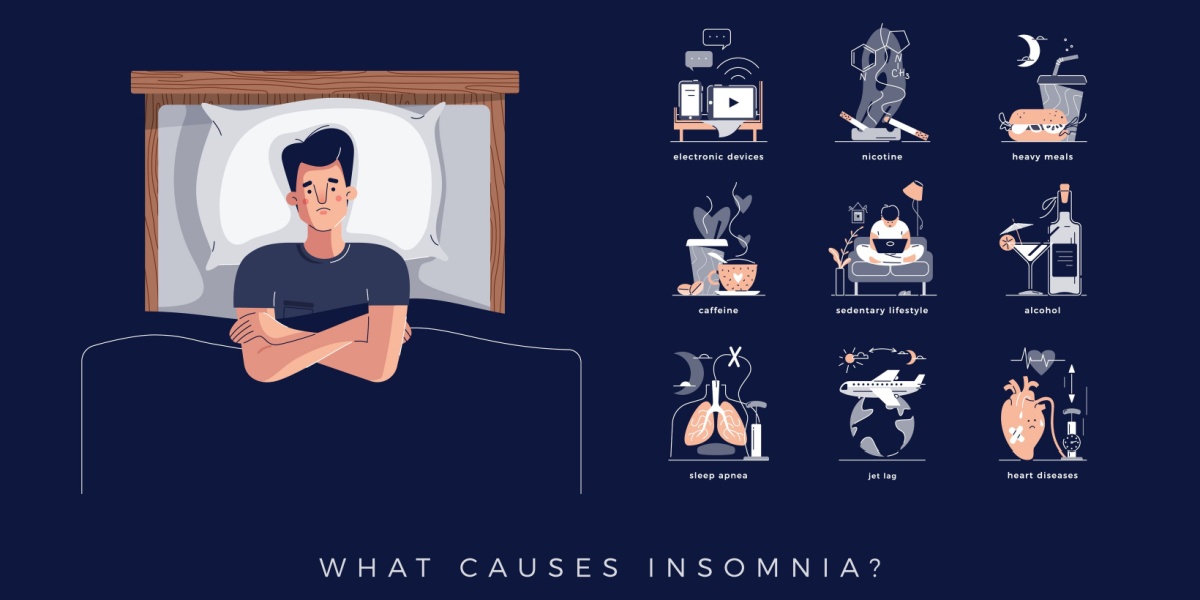
The exact cause of insomnia in Parkinson’s disease is not fully understood, but it is believed to be multifactorial. Some potential causes include:
- Neurological changes affecting sleep-wake cycles
- Medications used to manage motor symptoms that can disrupt sleep patterns
- Motor symptoms such as tremors and rigidity that interfere with comfort during sleep
- Psychological factors like anxiety or depression commonly associated with Parkinson’s
Managing Insomnia in Parkinson’s Disease
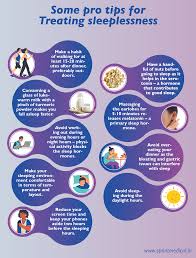
Managing insomnia in individuals with Parkinson’s disease requires a comprehensive approach that addresses both the underlying causes of insomnia and its impact on overall well-being. Some strategies that may help improve sleep quality include:
- Establishing a consistent sleep schedule and bedtime routine
- Avoiding stimulants like caffeine close to bedtime
- Creating a comfortable sleep environment that promotes relaxation
- Engaging in regular physical activity (with guidance from healthcare providers)
- Considering cognitive-behavioral therapy for insomnia (CBT-I) or other behavioral interventions
- Discussing medication adjustments with a healthcare provider if current medications are impacting sleep
If you or a loved one with Parkinson’s disease is experiencing persistent insomnia, it is important to seek guidance from healthcare professionals specializing in movement disorders or sleep medicine. Addressing insomnia not only improves quality of life but may also have a positive impact on overall health outcomes for individuals living with Parkinson’s.
Exploring the Benefits of Addressing Insomnia in Parkinson’s: A Holistic Approach to Sleep Management and Patient Well-being
- Increased awareness of the importance of sleep hygiene and quality in Parkinson’s patients.
- Opportunity to explore non-pharmacological interventions for managing insomnia.
- Potential for improved overall well-being through better management of sleep disturbances.
- Focus on addressing both motor and non-motor symptoms of Parkinson’s disease holistically.
- Enhanced understanding of the complex relationship between neurological changes and sleep disruptions.
- Promotion of interdisciplinary collaboration among healthcare providers to optimize treatment strategies.
Six Ways Parkinson’s-Related Insomnia Impacts Health and Well-being
- Disrupted sleep patterns can worsen motor symptoms of Parkinson’s disease.
- Insomnia can lead to increased daytime fatigue and decreased energy levels.
- Persistent insomnia may contribute to cognitive impairment and difficulty concentrating.
- Sleep disturbances can impact mood, leading to irritability and emotional instability.
- Chronic insomnia in Parkinson’s patients may increase the risk of falls and accidents.
- Inadequate sleep quality can reduce overall quality of life for individuals with Parkinson’s disease.
Increased awareness of the importance of sleep hygiene and quality in Parkinson’s patients.
One notable benefit of Parkinson’s insomnia is the heightened awareness it brings to the significance of maintaining good sleep hygiene and quality among individuals with Parkinson’s disease. The challenges of insomnia in Parkinson’s patients underscore the importance of establishing healthy sleep habits, creating a conducive sleep environment, and prioritizing restorative rest. This increased focus on sleep hygiene not only aims to alleviate insomnia symptoms but also promotes overall well-being and quality of life for individuals living with Parkinson’s. By recognizing the impact of sleep on disease management and symptom control, patients and healthcare providers can work collaboratively to improve sleep patterns and enhance the overall health outcomes of those affected by Parkinson’s disease.
Opportunity to explore non-pharmacological interventions for managing insomnia.
One advantage of Parkinson’s insomnia is the opportunity it presents to explore non-pharmacological interventions for managing sleep disturbances. By focusing on non-drug approaches such as cognitive-behavioral therapy for insomnia (CBT-I), relaxation techniques, sleep hygiene practices, and lifestyle modifications, individuals with Parkinson’s can potentially improve their sleep quality without relying solely on medications. These non-pharmacological interventions not only address the symptoms of insomnia but also promote overall well-being and may have long-lasting benefits for individuals living with Parkinson’s disease.
Potential for improved overall well-being through better management of sleep disturbances.
Individuals with Parkinson’s insomnia have the potential for improved overall well-being through better management of sleep disturbances. By addressing and effectively managing insomnia symptoms, such as difficulty falling asleep or staying asleep, individuals can experience enhanced quality of life and increased energy levels during the day. Improved sleep can also lead to better cognitive function, mood regulation, and overall physical health, ultimately contributing to a more fulfilling and healthier lifestyle for individuals living with Parkinson’s disease.
Focus on addressing both motor and non-motor symptoms of Parkinson’s disease holistically.
Addressing both the motor and non-motor symptoms of Parkinson’s disease holistically, including insomnia, offers a comprehensive approach to improving the overall quality of life for individuals living with the condition. By recognizing the interconnected nature of these symptoms, healthcare providers can develop tailored treatment plans that not only target motor issues like tremors and stiffness but also address non-motor symptoms such as insomnia. This integrated approach enhances patient care by considering the multifaceted impact of Parkinson’s on physical, emotional, and cognitive well-being, leading to more effective management strategies and improved outcomes for those affected by the disease.
Enhanced understanding of the complex relationship between neurological changes and sleep disruptions.
Parkinson’s insomnia offers a unique pro by enhancing our understanding of the intricate relationship between neurological changes and sleep disruptions. By studying how Parkinson’s disease impacts sleep patterns, researchers and healthcare professionals gain valuable insights into the complex interplay between brain function and sleep regulation. This increased understanding not only sheds light on the specific mechanisms underlying insomnia in Parkinson’s but also paves the way for developing more targeted interventions and personalized treatment strategies to improve sleep quality and overall well-being for individuals affected by this neurodegenerative disorder.
Promotion of interdisciplinary collaboration among healthcare providers to optimize treatment strategies.
Parkinson’s insomnia presents a unique pro by promoting interdisciplinary collaboration among healthcare providers to optimize treatment strategies. By bringing together specialists in neurology, sleep medicine, psychiatry, and other relevant fields, a comprehensive approach can be developed to address the complex relationship between Parkinson’s disease and insomnia. This collaborative effort allows for a more holistic assessment of the individual’s condition and enables tailored interventions that consider both the motor symptoms of Parkinson’s and the specific sleep disturbances experienced. Through this interdisciplinary approach, healthcare providers can work together to enhance patient care, improve treatment outcomes, and ultimately enhance the quality of life for individuals living with Parkinson’s insomnia.
Disrupted sleep patterns can worsen motor symptoms of Parkinson’s disease.
Disrupted sleep patterns in individuals with Parkinson’s disease can exacerbate the motor symptoms of the condition. When sleep is fragmented or inadequate, it can lead to increased tremors, rigidity, and overall difficulty in movement control. The relationship between poor sleep and worsened motor symptoms creates a challenging cycle where the lack of restorative rest impairs physical function, further impacting sleep quality. Addressing insomnia in Parkinson’s patients is crucial not only for improving their overall well-being but also for managing the progression of motor symptoms associated with the disease.
Insomnia can lead to increased daytime fatigue and decreased energy levels.
Insomnia in individuals with Parkinson’s disease can contribute to a significant con: increased daytime fatigue and decreased energy levels. The inability to obtain restful sleep due to insomnia disrupts the body’s natural recovery processes, leading to persistent tiredness and a lack of vitality during waking hours. This chronic fatigue can further exacerbate the motor symptoms of Parkinson’s, impacting mobility, cognitive function, and overall quality of life. Addressing insomnia in Parkinson’s patients is crucial not only for improving sleep quality but also for combating daytime fatigue and restoring energy levels essential for daily activities and well-being.
Persistent insomnia may contribute to cognitive impairment and difficulty concentrating.
Persistent insomnia in individuals with Parkinson’s disease can exacerbate cognitive impairment and make it challenging to concentrate. The lack of quality sleep can lead to cognitive deficits, including memory problems, decreased attention span, and impaired decision-making abilities. This con of Parkinson’s insomnia not only impacts daily functioning but also affects overall quality of life. It is crucial to address insomnia symptoms promptly and effectively to mitigate the risk of cognitive decline and maintain optimal cognitive function in individuals living with Parkinson’s disease.
Sleep disturbances can impact mood, leading to irritability and emotional instability.
Sleep disturbances associated with Parkinson’s insomnia can have a significant impact on mood, often resulting in increased irritability and emotional instability. When individuals with Parkinson’s disease experience disrupted sleep patterns, it can exacerbate feelings of frustration and agitation, making it challenging to regulate emotions effectively. The lack of restorative sleep can contribute to a heightened sense of stress and emotional vulnerability, affecting both the individual’s well-being and their interactions with others. Managing Parkinson’s insomnia is not only crucial for physical health but also for maintaining emotional balance and mental resilience.
Chronic insomnia in Parkinson’s patients may increase the risk of falls and accidents.
Chronic insomnia in Parkinson’s patients poses a significant con as it can increase the risk of falls and accidents. Sleep deprivation and disturbances in sleep patterns can lead to daytime drowsiness, impaired balance, and reduced cognitive function, all of which contribute to a higher likelihood of falls and accidents. For individuals already dealing with motor symptoms and movement difficulties associated with Parkinson’s disease, the added impact of insomnia on physical and cognitive abilities further heightens the risk of potential injuries. Managing insomnia effectively in Parkinson’s patients is crucial not only for improving sleep quality but also for enhancing overall safety and well-being.
Inadequate sleep quality can reduce overall quality of life for individuals with Parkinson’s disease.
Inadequate sleep quality due to Parkinson’s insomnia can significantly diminish the overall quality of life for individuals living with this neurodegenerative disorder. Poor sleep can exacerbate motor symptoms, cognitive impairment, and emotional well-being, leading to increased fatigue, difficulty concentrating, mood disturbances, and a decreased ability to perform daily activities. The chronic cycle of disrupted sleep can further impact physical health, mental acuity, and social interactions, ultimately affecting the individual’s independence and sense of well-being. Addressing and managing insomnia in Parkinson’s disease is crucial not only for improving sleep but also for enhancing overall quality of life and promoting better health outcomes.