9 mg Melatonin: What to Know Before Taking It
Melatonin is a hormone the body naturally produces in response to darkness. It helps regulate the sleep-wake cycle. Melatonin supplements are often used for short-term sleep concerns, jet lag, or adjusting to a changed schedule. A 9 mg dose is available in some products, but a higher dose is not necessarily more effective—and it may increase the chance of side effects.
Is 9 mg of melatonin a high dose?
There is no single melatonin dose that is right for everyone, and research has not established one optimal dose for all sleep problems. Many studies have examined lower amounts, and some people may respond to less than 9 mg. Because supplement strength and individual needs vary, it is sensible to discuss a 9 mg product with a doctor or pharmacist before using it, particularly if you take other medications or have a health condition.
Melatonin supplements are not regulated like prescription medicines in the United States. The amount in a product may differ from the amount stated on its label, and quality can vary by brand. Look for products tested by an independent organization, such as USP or NSF, when available.
Possible side effects
Melatonin can cause sleepiness, dizziness, headache, nausea, or vivid dreams. Some people feel groggy or less alert the next day. These effects may be more likely or more noticeable with a larger dose. Do not drive or operate machinery if you feel drowsy, and avoid combining melatonin with alcohol or other substances that cause sleepiness unless a healthcare professional says it is safe.
Interactions and precautions
Ask a healthcare professional before taking melatonin if you use prescription or over-the-counter medicines, especially blood thinners, seizure medicines, sedatives, or medicines that affect the immune system or blood sugar. Also seek medical advice before use if you are pregnant or breastfeeding, have a chronic health condition, or are considering melatonin for a child. Supplements can affect people differently, and children may be especially vulnerable to accidental ingestion.
Using melatonin thoughtfully
Melatonin is generally considered a timing signal for the body’s internal clock, rather than a simple “stronger dose, stronger sleep” aid. When and why it is taken can matter. The right timing depends on the sleep concern, so ask a clinician or pharmacist for guidance instead of increasing the dose on your own. Keep a consistent sleep schedule, reduce bright light before bed, and make the bedroom dark, quiet, and comfortable.
If sleep problems persist, worsen, or interfere with daily life, consult a healthcare professional. Ongoing insomnia can have many causes, and treating the underlying issue may be more helpful than taking a higher amount of melatonin.
This article is for general information and is not a substitute for medical advice. Consult a qualified healthcare professional before starting or changing a supplement.
Understanding Melatonin Dosage: Effects and Safety of 9mg and Higher
- What happens if I take 9 mg of melatonin?
- How long does 9 mg of melatonin last?
- Is it safe to take 20 mg of melatonin?
- How long will 9mg of melatonin last?
- Is 10 mg of melatonin considered high?
What happens if I take 9 mg of melatonin?
Taking 9 mg of melatonin may make you feel sleepy, but a higher dose does not necessarily work better and may increase the chance of side effects such as next-day grogginess, dizziness, headache, nausea, or vivid dreams. Effects vary by person, and melatonin can interact with some medicines or health conditions. Check with a healthcare professional or pharmacist before taking 9 mg, especially if you use other medications, are pregnant or breastfeeding, or are considering it for a child; avoid driving if you feel drowsy.
How long does 9 mg of melatonin last?
The effects of 9 mg of melatonin may last several hours, but the duration varies by person and product. Immediate-release melatonin is absorbed relatively quickly, while extended-release forms may release it over a longer period; a higher dose does not necessarily make it last longer and may increase next-day grogginess. Follow the product directions, and avoid driving or other activities requiring alertness if you feel drowsy.
Is it safe to take 20 mg of melatonin?
Taking 20 mg of melatonin is a high dose, and higher amounts are not necessarily more effective or safer. It may increase the risk of side effects such as next-day drowsiness, dizziness, headache, nausea, or vivid dreams, and it can interact with some medications. Check with a doctor or pharmacist before taking this amount, especially if you have a health condition, take other medicines, are pregnant or breastfeeding, or are considering it for a child. If you’ve already taken 20 mg and feel seriously unwell, contact a healthcare professional or poison control.
How long will 9mg of melatonin last?
The effects of 9 mg of melatonin can last for several hours, but there’s no set duration, and a higher dose doesn’t necessarily make it work longer. The timing and duration depend on the product—especially whether it’s immediate- or extended-release—and on factors such as your metabolism and sensitivity. Some people may feel groggy or sleepy the next morning. Follow the product directions, and check with a healthcare professional if the effects linger or you’re unsure whether this dose is appropriate for you.
Is 10 mg of melatonin considered high?
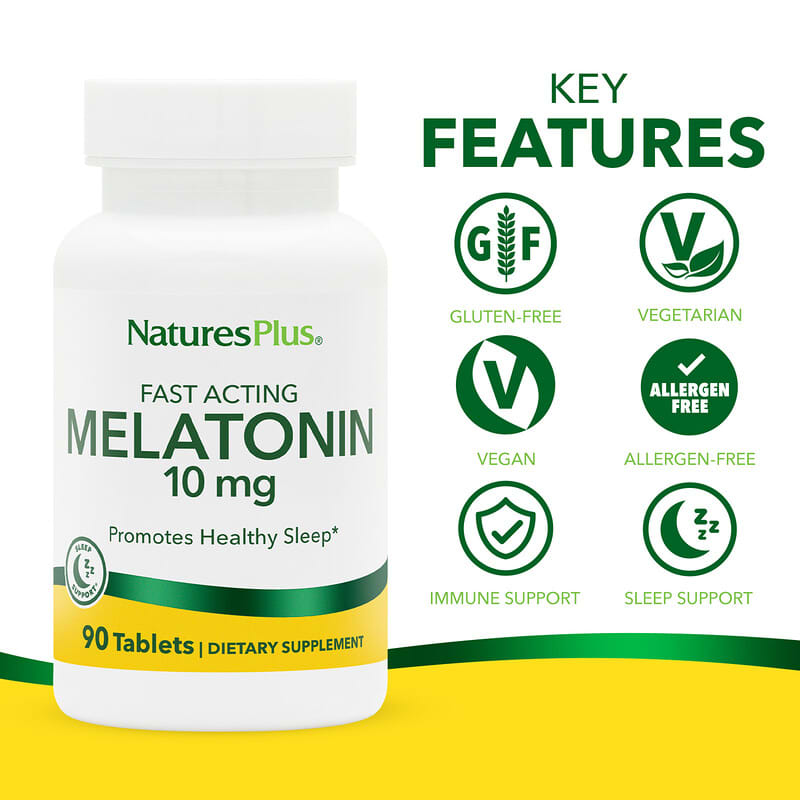
Yes. A 10 mg dose is generally considered high compared with the lower doses often used in studies, though there is no universally established cutoff for a “high” dose. More melatonin is not necessarily more effective and may increase side effects such as next-day drowsiness, dizziness, headache, or vivid dreams. Ask a healthcare professional whether melatonin is appropriate for you and what dose and timing to use, especially if you take medications or have a health condition.