
Melatonin: Uses, Benefits, and Safety
People searching for “melatonin WebMD” may be looking for a straightforward overview of what melatonin does, whether it can help with sleep, and how to use it safely. Melatonin is a hormone that the body produces in response to darkness. It helps regulate the sleep-wake cycle, also known as the circadian rhythm. Melatonin is also sold as an over-the-counter dietary supplement in the United States.
What Is Melatonin?
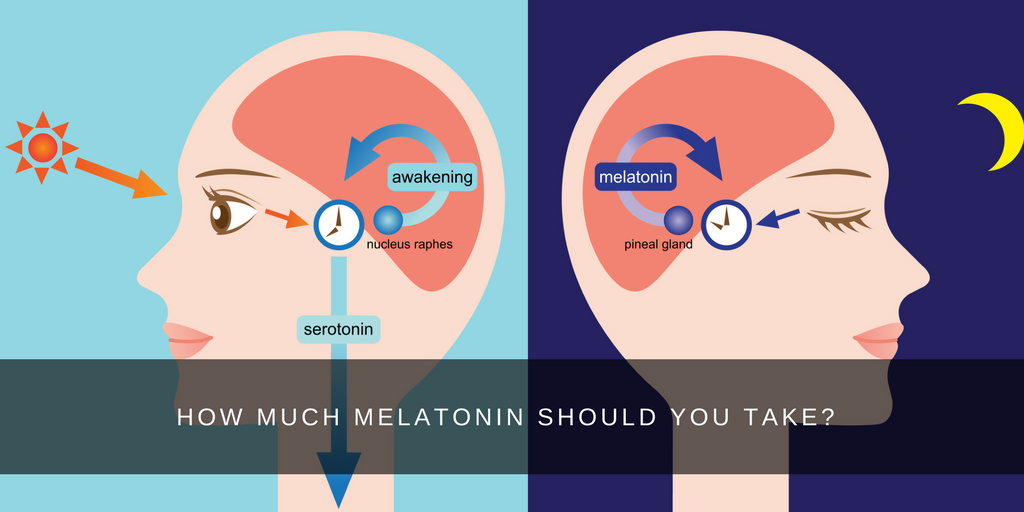
The brain’s pineal gland naturally releases melatonin as it gets dark, signaling that it is time to prepare for sleep. Light—especially bright light in the evening—can interfere with this signal. Melatonin supplements may affect the timing of sleep, but they are not the same as sedatives and do not work the same way for everyone.
What Is Melatonin Used For?
Melatonin supplements are commonly used to help with certain sleep-timing problems, such as jet lag or a delayed sleep schedule. They may help some people fall asleep sooner, but research findings vary depending on the person, the condition, and the timing of use. Melatonin is not a cure for chronic insomnia, and ongoing sleep difficulties may have an underlying cause that needs attention.
How to Take Melatonin
There is no single dose that is right for everyone. Supplements come in different strengths and forms, and taking more does not necessarily lead to better sleep. A healthcare professional or pharmacist can help determine whether melatonin is appropriate and advise on dose and timing, particularly for children, older adults, or people taking other medicines.
Good sleep habits can also make a difference. Keeping a consistent sleep schedule, reducing bright light before bed, and creating a quiet, comfortable bedroom may support the body’s natural sleep rhythm.
Possible Side Effects
Melatonin can cause side effects, including:
- Daytime sleepiness or grogginess
- Headache or dizziness
- Nausea
- Vivid dreams
Do not drive or operate machinery if you feel drowsy after taking it. Avoid combining melatonin with alcohol or other substances that cause sleepiness unless a healthcare professional has advised that it is safe.
Interactions and Precautions
Melatonin may interact with some medicines, including blood thinners, seizure medicines, medicines that affect the immune system, and certain drugs for blood pressure or diabetes. This is not a complete list. Check with a healthcare professional before using melatonin if you take prescription or over-the-counter medicines, have a medical condition, are pregnant or breastfeeding, or are considering it for a child.
In the United States, melatonin is sold as a dietary supplement, and supplements are not reviewed by the Food and Drug Administration for safety and effectiveness in the same way as prescription medicines. Product strength and quality may vary, so choose products carefully and discuss supplement use with a qualified healthcare professional.
When to Seek Medical Advice
Talk with a healthcare professional if sleep problems persist, interfere with daily life, or occur alongside symptoms such as loud snoring, gasping during sleep, or severe daytime sleepiness. A clinician can help identify the cause and recommend appropriate treatment.
Bottom line: Melatonin may be useful for some sleep-timing issues, but it is not suitable for everyone and is not a universal treatment for insomnia. For personalized guidance, consult a healthcare professional or pharmacist.
6 Tips for Using Melatonin Safely | WebMD
- Use melatonin only for short-term sleep concerns unless a clinician advises otherwise.
- Take it at the time recommended on the product label or by your clinician.
- Start with the lowest suitable dose; more may not work better.
- Ask a clinician or pharmacist about interactions with medicines or supplements.
- Avoid driving or alcohol if melatonin makes you drowsy.
- Choose a reputable brand, since supplement quality can vary.
Use melatonin only for short-term sleep concerns unless a clinician advises otherwise.
Use melatonin for short-term sleep concerns, such as occasional jet lag or a temporary change in schedule, unless a clinician recommends otherwise. It may not address the underlying cause of ongoing sleep problems, and long-term use may not be appropriate for everyone. If sleep difficulties persist, worsen, or affect daily life, talk with a healthcare professional before continuing melatonin.
Take it at the time recommended on the product label or by your clinician.
Take melatonin at the time recommended on the product label or by your clinician, since timing can affect how well it works and may vary based on why you’re taking it. Don’t take extra or take it earlier than directed without checking with a healthcare professional, and follow any specific instructions you’ve been given.
Start with the lowest suitable dose; more may not work better.
When trying melatonin, start with the lowest dose that may be appropriate for your needs, and ask a healthcare professional or pharmacist for guidance—especially if you take other medications or have a health condition. A higher dose isn’t necessarily more effective and may increase the chance of side effects, such as next-day grogginess, headache, or dizziness.
Ask a clinician or pharmacist about interactions with medicines or supplements.
Before taking melatonin, ask a clinician or pharmacist whether it could interact with any medicines or supplements you use. Melatonin may affect how some products work or increase side effects such as drowsiness. Share a complete list of your prescription medicines, over-the-counter products, and supplements so they can offer advice tailored to your health needs.
Avoid driving or alcohol if melatonin makes you drowsy.
If melatonin makes you feel drowsy, avoid driving, operating machinery, or doing anything that requires you to stay alert until the effects have worn off. Don’t combine melatonin with alcohol, which can increase sleepiness and impair coordination and judgment.
Choose a reputable brand, since supplement quality can vary.
Because melatonin is sold as a dietary supplement, product strength and quality can vary between brands. Choose a reputable product with clear labeling, and look for independent quality testing from organizations such as USP or NSF when available. A healthcare professional or pharmacist can help you select a product that’s appropriate for you.