Pistachios and Melatonin: What to Know
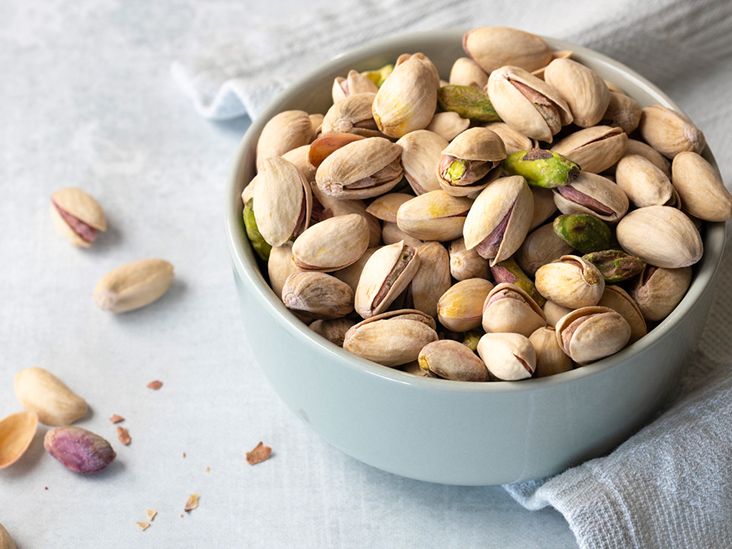
Pistachios are sometimes described as a natural source of melatonin, the hormone that helps regulate the body’s sleep-wake cycle. They also provide protein, fiber, and healthy fats. But does eating pistachios actually help you sleep? The short answer: they contain melatonin, but there is not enough evidence to say that pistachios reliably improve sleep.
What Is Melatonin?
Melatonin is a hormone produced mainly by the brain in response to darkness. It helps signal that it is nighttime and supports the body’s circadian rhythm. The amount the body produces naturally can be affected by light exposure, sleep schedules, age, and other factors.
Melatonin is also found in some foods, including pistachios. However, the amount in a serving can vary based on the variety of pistachio, growing conditions, and how the nuts are processed and stored.
Can Pistachios Help You Sleep?
Pistachios may contribute small amounts of dietary melatonin, but finding melatonin in a food does not prove that eating it will have a noticeable effect on sleep. Research on pistachios specifically as a sleep aid is limited, and food-based melatonin may not affect the body in the same way—or to the same extent—as a measured supplement.
Pistachios can still be part of an overall balanced eating pattern. Their protein, fiber, and fats may make them a satisfying snack. But they should not be treated as a proven remedy for insomnia or other sleep problems.
How to Enjoy Pistachios
If you like pistachios, a modest portion can be a convenient snack. Choose unsalted or lightly salted varieties if you are watching your sodium intake, and keep serving size in mind because nuts are calorie-dense. Pistachios are also a common allergen, so people with a tree-nut allergy should avoid them unless advised otherwise by a healthcare professional.
Eating pistachios close to bedtime is not necessary to get their nutritional benefits. If a late snack causes indigestion or discomfort, it may be better to eat earlier in the evening.
Better-Supported Habits for Sleep
For more consistent sleep, focus on habits that support the body’s natural sleep-wake rhythm:
- Keep a regular bedtime and wake-up time.
- Get natural light during the day and limit bright screens before bed.
- Keep the bedroom dark, quiet, and comfortable.
- Limit caffeine late in the day and avoid heavy meals close to bedtime.
- Develop a relaxing wind-down routine.
The Bottom Line
Pistachios contain melatonin and offer several useful nutrients, but current evidence does not establish them as an effective sleep treatment. Enjoy them as part of a varied diet, while relying on consistent sleep habits—and professional guidance for ongoing sleep problems—rather than expecting a particular food to solve them.
7 Essential Tips for Enjoying Pistachios and Understanding Their Melatonin Content
- Pistachios contain melatonin, but amounts vary by source and serving.
- Eating pistachios has not been proven to improve sleep.
- Enjoy a small portion as part of a balanced diet.
- Choose unsalted pistachios to limit sodium.
- Remember that pistachios are calorie-dense.
- Avoid pistachios if you have a tree-nut allergy.
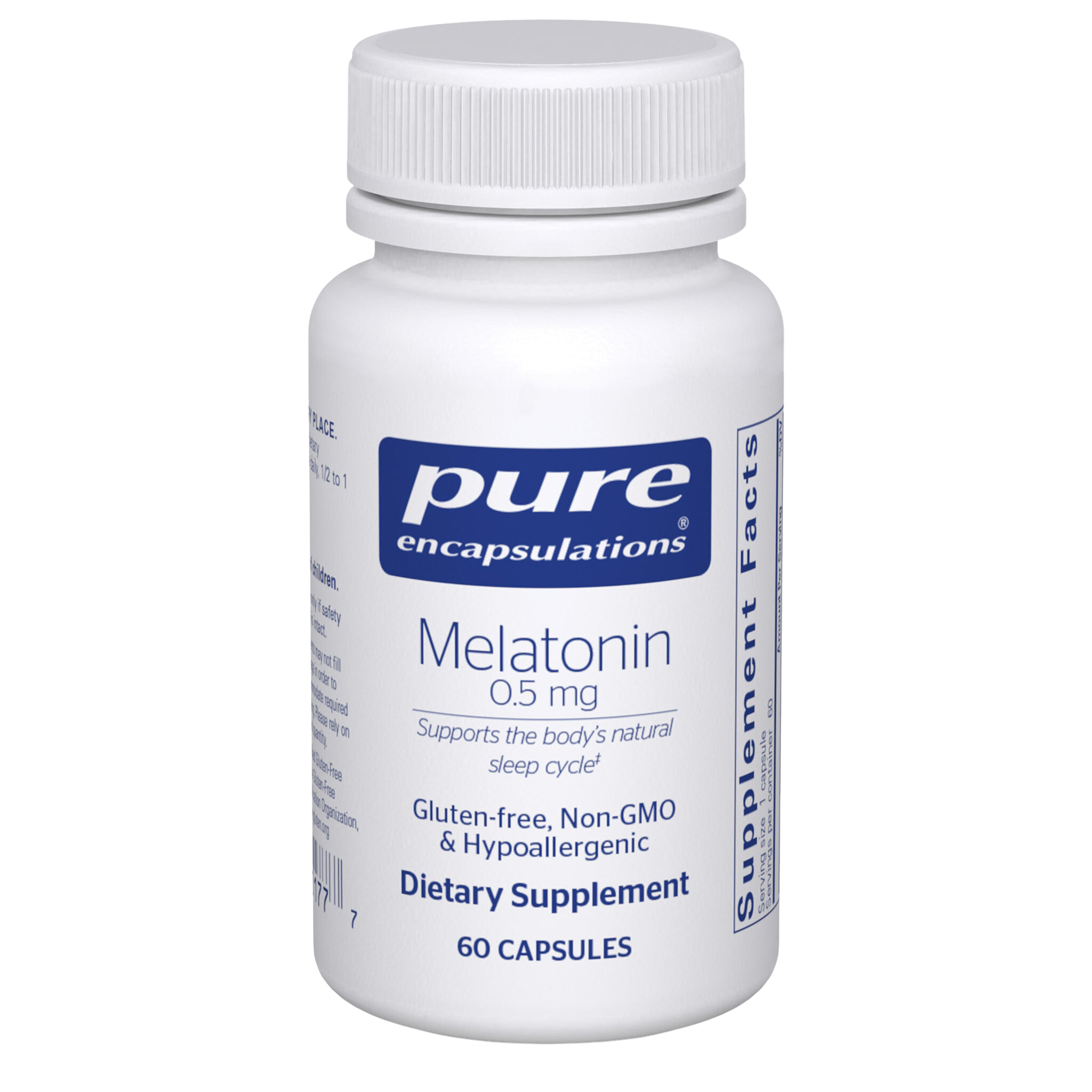
- Ask a healthcare professional before using melatonin supplements, especially with medications.
Pistachios contain melatonin, but amounts vary by source and serving.
Pistachios naturally contain melatonin, a hormone involved in regulating the sleep-wake cycle, but the amount can vary depending on factors such as the pistachio variety, growing conditions, processing, and serving size. Enjoy them as a nutritious snack, but don’t assume every serving provides the same amount of melatonin or rely on pistachios as a sleep treatment.
Eating pistachios has not been proven to improve sleep.
Although pistachios contain melatonin, eating them has not been proven to improve sleep. Enjoy them as a nutritious snack, but don’t rely on pistachios to treat insomnia or other sleep problems. For more restful sleep, focus on consistent sleep habits, and talk with a healthcare professional if sleep difficulties persist.
Enjoy a small portion as part of a balanced diet.
Enjoy a small portion of pistachios as part of a balanced diet. They provide protein, fiber, and healthy fats, along with naturally occurring melatonin, but they aren’t a proven sleep aid. Choose unsalted or lightly salted pistachios, and remember that a varied diet and consistent sleep habits matter more than any single food.
Choose unsalted pistachios to limit sodium.
Choose unsalted pistachios to enjoy their naturally rich flavor while limiting sodium. This can be a helpful choice if you’re keeping an eye on your overall salt intake, especially when adding pistachios to an evening snack. Although pistachios contain melatonin, choosing an unsalted variety does not make them a proven sleep aid.
Remember that pistachios are calorie-dense.
Pistachios contain melatonin and can be a tasty snack, but remember that they’re calorie-dense. A small handful can add up quickly, so pay attention to portion size—especially if you’re snacking before bed. Choose unsalted pistachios when possible, and enjoy them as part of a balanced diet rather than eating large amounts in hopes of improving sleep.
Avoid pistachios if you have a tree-nut allergy.
Avoid pistachios if you have a tree-nut allergy. Pistachios are tree nuts and can trigger an allergic reaction, which may be severe. If you’re unsure whether pistachios are safe for you, check with an allergist or healthcare professional before eating them.
Ask a healthcare professional before using melatonin supplements, especially with medications.
Pistachios contain naturally occurring melatonin, but they are not a substitute for melatonin supplements or medical advice. Before taking a melatonin supplement, talk with a healthcare professional—especially if you take prescription or over-the-counter medications, have a health condition, are pregnant or breastfeeding, or are considering giving it to a child. Melatonin can cause side effects and may interact with some medications, so a professional can help you decide whether it’s appropriate and how to use it safely.