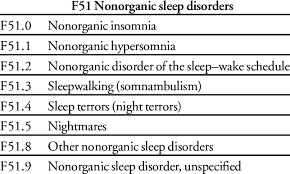
Diabetes and Insomnia: Understanding the Connection
Living with diabetes can make it harder to get a good night’s sleep. Some people have trouble falling asleep, while others wake repeatedly or rise too early and cannot get back to sleep. These problems may be related to blood glucose changes, diabetes symptoms, medications, stress, or another sleep condition.
Insomnia and diabetes can also affect each other. Poor sleep may make it harder to manage blood glucose and daily routines, while diabetes-related symptoms can interrupt sleep. Identifying the cause is an important first step toward better rest.
How diabetes can affect sleep
Several factors may contribute to sleep problems for people with diabetes:
- Low blood glucose at night: Hypoglycemia may cause sweating, shaking, a fast heartbeat, nightmares, or confusion. Some people wake up because of these symptoms; others may not notice them.
- High blood glucose: Elevated glucose can lead to thirst and frequent urination, making it harder to stay asleep.
- Nerve pain or discomfort: Diabetic neuropathy may cause burning, tingling, or pain—often in the feet and legs—that becomes more noticeable at night.
- Restless legs symptoms: An uncomfortable urge to move the legs can interfere with falling asleep. Restless legs syndrome is more common in people with diabetes, though it can have other causes too.
- Sleep apnea: Obstructive sleep apnea causes repeated pauses or reductions in breathing during sleep. It is associated with type 2 diabetes and may involve loud snoring, gasping, morning headaches, or daytime sleepiness.
- Stress and mood changes: Worry about diabetes, depression, and anxiety can make it difficult to unwind or return to sleep after waking.
- Medication or routine changes: Some medicines, meal timing, alcohol, caffeine, or shifts in activity may affect sleep. Do not change or stop prescribed medication without speaking with a health care professional.
Can insomnia affect diabetes?
Insufficient or disrupted sleep may affect hormones involved in appetite and the body’s response to insulin. It can also contribute to fatigue, making it harder to exercise, prepare meals, or follow a diabetes care plan. The relationship varies from person to person, and sleep difficulties do not mean someone has done anything wrong.
What may help
These general habits can support better sleep, though they may not resolve an underlying medical cause:
- Keep a consistent bedtime and wake-up time, including on weekends.
- Create a quiet, dark, comfortable bedroom and reduce screen use before bed.
- Limit caffeine later in the day and avoid using alcohol as a sleep aid. Alcohol can disrupt sleep and may affect blood glucose, particularly for people using insulin or certain glucose-lowering medicines.
- Build a relaxing wind-down routine, such as reading, gentle stretching, or slow breathing.
- Follow the glucose-monitoring plan recommended by your diabetes care team. If nighttime lows or highs are suspected, ask the team how to assess them safely.
- Keep a brief sleep and symptom diary. Note bedtime, awakenings, glucose readings when appropriate, meals, medicines, caffeine, and daytime tiredness.
Cognitive behavioral therapy for insomnia (CBT-I) is a structured treatment that can help with persistent insomnia. A health care professional can also assess possible contributors such as neuropathy, sleep apnea, restless legs symptoms, medication effects, or glucose changes and recommend suitable treatment.
When to talk with a health care professional
Contact a health care professional if sleep problems happen often, last for several weeks, affect daytime functioning, or occur alongside repeated nighttime glucose highs or lows. Mention symptoms such as loud snoring, choking or gasping during sleep, severe daytime sleepiness, or persistent pain and tingling in the legs or feet. These may need evaluation and treatment.
Seek urgent medical help for severe symptoms of low or high blood glucose, especially confusion, fainting, seizure, difficulty breathing, or inability to keep fluids down. Follow your personal diabetes emergency plan if you have one.
The takeaway
Diabetes-related sleep problems can have several causes, and insomnia is not something that has to be simply endured. A consistent sleep routine may help, but recurring symptoms deserve attention. Working with a health care professional can help identify what is disrupting sleep and create a plan that supports both rest and diabetes management.
This article is for general information only and is not a substitute for personalized medical advice, diagnosis, or treatment.
Understanding Diabetes and Sleep: Addressing Insomnia and Nighttime Challenges
- Does diabetes cause insomnia?
- Why do diabetics wake up in the middle of the night?
- What can diabetics take to help them sleep?
- What are 10 warning signs of diabetes?
- What makes diabetics fall asleep?
- What can a diabetic take to help sleep?
- What helps with insomnia in the middle of the night?
- What are the symptoms of diabetes while sleeping?
Does diabetes cause insomnia?
Diabetes can contribute to insomnia, but it is not the only possible cause. High or low blood glucose during the night, frequent urination, nerve pain, medication effects, stress, or related conditions such as sleep apnea may disrupt sleep. If sleep problems are frequent or affecting daily life, talk with a health care professional to identify the cause and discuss safe ways to improve sleep and manage blood glucose.
Why do diabetics wake up in the middle of the night?
People with diabetes may wake during the night for several reasons, including low blood glucose, which can cause sweating, shakiness, or a racing heartbeat, or high blood glucose, which may lead to thirst and frequent urination. Nerve pain, sleep apnea, stress, and medication effects can also disrupt sleep. If nighttime waking happens often, note any symptoms and glucose readings, if monitoring is part of your care plan, and discuss them with your health care professional; don’t change medication doses without their guidance.
What can diabetics take to help them sleep?
There isn’t one sleep aid that’s right for everyone with diabetes. Before taking melatonin, an over-the-counter sleep medicine, or a prescription medication, talk with your health care professional or pharmacist, since safety depends on your diabetes medicines, other health conditions, and what’s causing the sleep problem. Nighttime blood glucose changes, pain, or sleep apnea may need specific treatment, and some sleep aids can cause side effects or interact with medications. For ongoing insomnia, ask about cognitive behavioral therapy for insomnia (CBT-I), a well-established treatment, and follow your care team’s guidance for checking and managing nighttime blood glucose.
What are 10 warning signs of diabetes?
Ten possible warning signs of diabetes are increased thirst, frequent urination, increased hunger, unexplained weight loss, fatigue, blurry vision, slow-healing cuts or sores, frequent infections, tingling or numbness in the hands or feet, and darkened patches of skin, often around the neck or armpits. These symptoms can have other causes, and type 2 diabetes may develop with few or no noticeable signs. Insomnia alone is not a reliable indicator of diabetes; anyone concerned should contact a health care professional about testing.
What makes diabetics fall asleep?
People with diabetes may feel unusually sleepy because of high or low blood glucose, disrupted sleep, pain, medication effects, or conditions such as sleep apnea. High blood glucose can cause dehydration and fatigue, while low blood glucose may cause sudden weakness, confusion, or drowsiness. Frequent or unexplained sleepiness is worth discussing with a health care professional, who can help identify the cause. If drowsiness comes with severe confusion, fainting, or other signs of a serious blood glucose problem, seek urgent medical help.
What can a diabetic take to help sleep?
There isn’t one sleep aid that’s right for everyone with diabetes. Before taking melatonin, an over-the-counter sleep medicine, an antihistamine, or an herbal supplement, check with your health care professional or pharmacist—these products may cause side effects or interact with diabetes medicines and may not address the reason you’re waking up. Nighttime blood glucose highs or lows, pain, frequent urination, or sleep apnea can all disrupt sleep, so identifying the cause matters. A clinician can recommend a safe option and suggest strategies such as a consistent sleep schedule or cognitive behavioral therapy for insomnia (CBT-I). Don’t change or stop prescribed medication without medical guidance.
What helps with insomnia in the middle of the night?
If you wake in the middle of the night, keep the lights dim, avoid checking the clock or using your phone, and try slow breathing or another calming activity. If you remain awake for about 20 minutes, get out of bed and do something quiet until you feel sleepy, then return to bed. With diabetes, follow your care team’s plan if you have symptoms of low blood glucose, and discuss recurring overnight highs, lows, or sleep disruptions with them; don’t change medicines or eat to treat a suspected low unless your plan recommends it.
What are the symptoms of diabetes while sleeping?
Diabetes-related symptoms during sleep can include waking to urinate or drink water, night sweats, restless sleep, vivid dreams or nightmares, and waking with a headache or feeling unusually tired. Low blood glucose overnight may cause sweating, shaking, a fast heartbeat, or confusion, while high blood glucose can lead to thirst and frequent urination. These symptoms can have other causes, so they don’t confirm diabetes on their own; anyone experiencing them repeatedly should discuss them with a health care professional and follow their personal glucose-monitoring plan.