Sleep Apnea and Insomnia: Understanding the Connection
Sleep apnea and insomnia are two common sleep disorders that can have a significant impact on an individual’s overall health and well-being. While these conditions are distinct, they can sometimes coexist and exacerbate each other’s symptoms, leading to serious consequences if left untreated.
Sleep Apnea:
Sleep apnea is a disorder characterized by pauses in breathing or shallow breaths during sleep. These interruptions in breathing can occur multiple times throughout the night, leading to fragmented sleep and a decrease in oxygen levels in the blood. Common symptoms of sleep apnea include loud snoring, daytime fatigue, morning headaches, and irritability.
Insomnia:
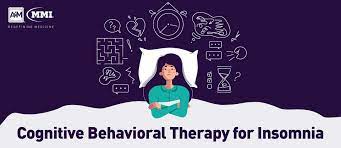
Insomnia is a condition characterized by difficulty falling asleep, staying asleep, or experiencing non-restorative sleep. Individuals with insomnia may struggle to get enough quality sleep, leading to daytime fatigue, mood disturbances, and impaired cognitive function. Insomnia can be acute (short-term) or chronic (long-term) and is often associated with stress, anxiety, depression, or other underlying medical conditions.
The Connection:
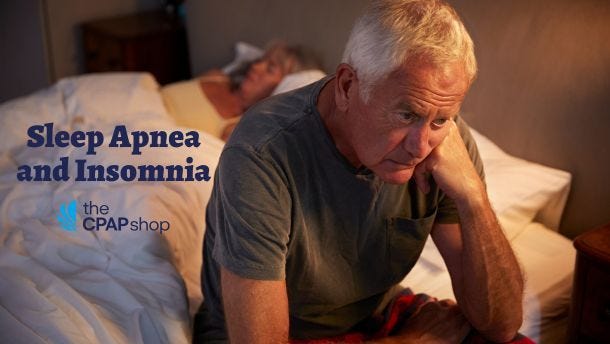
While sleep apnea and insomnia are distinct disorders with different underlying causes, they can sometimes occur together in the same individual. For example, individuals with sleep apnea may experience insomnia due to frequent awakenings caused by breathing interruptions during the night. Conversely, individuals with chronic insomnia may develop symptoms of sleep apnea over time due to poor sleep quality and disruptions in their natural sleep patterns.
Treatment Options:
It is essential for individuals experiencing symptoms of either sleep apnea or insomnia to seek professional medical help for an accurate diagnosis and appropriate treatment plan. Treatment options for sleep apnea may include continuous positive airway pressure (CPAP) therapy, oral appliances, surgery, or lifestyle modifications. For insomnia, treatment may involve cognitive-behavioral therapy for insomnia (CBT-I), medication management, relaxation techniques, or addressing underlying psychological factors contributing to poor sleep.
Conclusion:
Understanding the connection between sleep apnea and insomnia is crucial for effectively managing these common sleep disorders. By seeking timely medical intervention and adopting healthy lifestyle habits that promote restful sleep, individuals can improve their overall quality of life and reduce the risk of complications associated with untreated sleep disorders.
Top 8 FAQs About Managing Sleep Apnea and Insomnia
- How do I fall asleep with sleep apnea?
- How do I know if I have sleep apnea or insomnia?
- What is the Japanese trick for sleep apnea?
- What is the 3% rule for sleep apnea?
- What is the 4% rule for sleep apnea?
- Can sleep apnea give you insomnia?
- How do I deal with sleep apnea and insomnia?
- Will a CPAP help with insomnia?
How do I fall asleep with sleep apnea?
For individuals struggling to fall asleep with sleep apnea, implementing certain strategies can help improve their sleep quality. It is essential to follow a consistent bedtime routine, create a comfortable sleep environment, and maintain a regular sleep schedule. Using a CPAP machine as prescribed by a healthcare provider can also significantly aid in managing sleep apnea symptoms and promoting better sleep. Additionally, avoiding stimulants like caffeine close to bedtime and engaging in relaxation techniques such as deep breathing exercises or meditation can help calm the mind and body, making it easier to drift off to sleep despite the challenges posed by sleep apnea.
How do I know if I have sleep apnea or insomnia?
If you are wondering whether you have sleep apnea or insomnia, it is essential to pay attention to your sleep patterns and associated symptoms. Sleep apnea is often characterized by loud snoring, pauses in breathing during sleep, daytime fatigue, morning headaches, and irritability. On the other hand, insomnia presents as difficulty falling asleep, staying asleep, or experiencing restorative sleep, leading to daytime fatigue, mood disturbances, and cognitive impairment. If you suspect that you may have either of these conditions, it is advisable to consult a healthcare professional for a proper evaluation and diagnosis based on your specific symptoms and medical history.
What is the Japanese trick for sleep apnea?
One frequently asked question regarding sleep apnea is about the “Japanese trick” for managing the condition. This technique, known as the “Didgeridoo therapy,” originates from Australia but has gained popularity in Japan for its potential benefits in improving symptoms of sleep apnea. Playing the didgeridoo, a wind instrument that requires circular breathing, is believed to strengthen the muscles in the throat and upper airway, reducing the severity of obstructive sleep apnea. While this method may offer some relief for certain individuals, it is essential to consult with a healthcare professional for a comprehensive evaluation and personalized treatment plan tailored to address the specific underlying causes of sleep apnea.
What is the 3% rule for sleep apnea?
The 3% rule for sleep apnea refers to the accepted standard in the medical field that a person should not experience more than 3% of their total sleep time with oxygen levels below a certain threshold. This rule is used as a guideline to assess the severity of sleep apnea based on the frequency and duration of breathing interruptions during sleep. Monitoring oxygen levels throughout the night can help healthcare providers determine the appropriate treatment plan for individuals with sleep apnea to improve their overall quality of sleep and reduce associated health risks.
What is the 4% rule for sleep apnea?
The 4% rule for sleep apnea refers to the percentage of oxygen desaturation that is used as a criterion for diagnosing sleep apnea during a sleep study. This rule states that a drop in oxygen saturation of 4% or more from baseline, along with other associated symptoms such as breathing interruptions and fragmented sleep, can indicate the presence of sleep apnea. Monitoring oxygen levels during sleep studies is crucial in identifying and assessing the severity of sleep apnea, guiding healthcare providers in determining appropriate treatment options for individuals affected by this disorder.
Can sleep apnea give you insomnia?
Sleep apnea can indeed contribute to the development or exacerbation of insomnia in individuals. The interruptions in breathing and fragmented sleep patterns associated with sleep apnea can lead to difficulties falling and staying asleep, resulting in symptoms commonly seen in insomnia. The frequent awakenings caused by breathing pauses during the night can disrupt the natural sleep cycle, leading to daytime fatigue, irritability, and other symptoms characteristic of insomnia. It is essential for individuals experiencing symptoms of both sleep apnea and insomnia to seek professional medical evaluation and appropriate treatment to address these interconnected sleep disorders effectively.
How do I deal with sleep apnea and insomnia?
Dealing with both sleep apnea and insomnia can be challenging, but it is essential to seek professional guidance for an accurate diagnosis and tailored treatment plan. Individuals experiencing symptoms of sleep apnea, such as pauses in breathing during sleep, should consider consulting a healthcare provider for options like continuous positive airway pressure (CPAP) therapy, oral appliances, or lifestyle modifications. For those struggling with insomnia, addressing underlying causes like stress or anxiety through cognitive-behavioral therapy for insomnia (CBT-I) or relaxation techniques may be beneficial. It is crucial to prioritize good sleep hygiene practices, maintain a consistent sleep schedule, and create a conducive sleep environment to manage both conditions effectively and improve overall quality of rest.
Will a CPAP help with insomnia?
For individuals experiencing both sleep apnea and insomnia, a CPAP (continuous positive airway pressure) machine can potentially help improve symptoms of insomnia. By effectively treating sleep apnea and ensuring uninterrupted breathing during the night, a CPAP machine can contribute to better sleep quality and reduce the likelihood of frequent awakenings that may exacerbate insomnia. While CPAP therapy primarily targets sleep apnea by keeping the airways open and maintaining adequate oxygen levels, the resulting improvement in overall sleep patterns can also have a positive impact on insomnia symptoms. It is important for individuals with coexisting sleep apnea and insomnia to consult with healthcare professionals to determine the most appropriate treatment plan tailored to their specific needs.