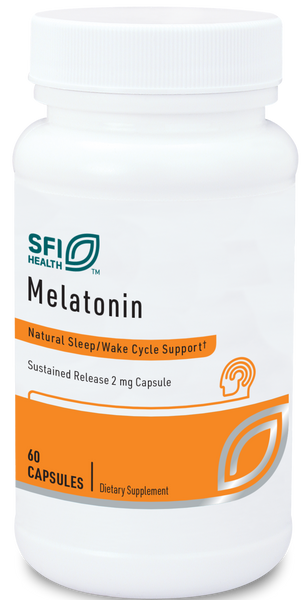
The Role of Vitamin D and Melatonin in Health
Vitamin D and melatonin are two essential compounds that play crucial roles in maintaining our health and well-being.
Vitamin D
Vitamin D, often referred to as the “sunshine vitamin,” is produced by the skin when exposed to sunlight. It is also found in certain foods and supplements. Vitamin D is important for various bodily functions, including:
- Supporting bone health by aiding in calcium absorption
- Regulating immune function to help fight infections
- Contributing to mood regulation and mental well-being
Melatonin
Melatonin is a hormone produced by the pineal gland in the brain, primarily at night. It plays a key role in regulating the sleep-wake cycle and promoting restful sleep. Melatonin is known for its role in:
- Regulating circadian rhythms to promote healthy sleep patterns
- Acting as a powerful antioxidant that helps protect cells from damage
- Supporting overall immune function and healthy aging processes
The Connection Between Vitamin D and Melatonin
Research suggests that there may be a connection between vitamin D levels and melatonin production. Adequate levels of vitamin D have been associated with improved sleep quality, potentially through its influence on melatonin synthesis.
Furthermore, both vitamin D and melatonin are involved in regulating immune function, which highlights their importance in overall health maintenance.
Conclusion
Ensuring sufficient intake of vitamin D through sunlight exposure, diet, or supplementation, along with supporting healthy melatonin production through good sleep habits, can contribute to better overall health and well-being.
Consulting with a healthcare provider before making significant changes to your diet or supplement regimen is always recommended to ensure individual needs are met.
Understanding Vitamin D and Melatonin: Answers to Common Questions on Benefits, Interactions, and Safety
- What is the role of vitamin D in the body?
- How can I get enough vitamin D?
- What are the benefits of melatonin for sleep?
- Can melatonin help with insomnia?
- Is it safe to take vitamin D and melatonin together?
- Are there any side effects of taking vitamin D supplements?
- How do vitamin D and melatonin interact with each other?
What is the role of vitamin D in the body?
Vitamin D plays a crucial role in the body by supporting various functions essential for overall health. One of its primary functions is aiding in the absorption of calcium, which is vital for maintaining strong and healthy bones. Additionally, vitamin D helps regulate immune function, supporting the body’s ability to fight off infections and diseases. Beyond its physiological roles, vitamin D has also been linked to mood regulation and mental well-being. Ensuring adequate levels of vitamin D through sunlight exposure, diet, or supplementation is key to promoting optimal health and wellness.
How can I get enough vitamin D?
To ensure you are getting enough vitamin D, consider incorporating sources such as sunlight exposure, fortified foods like dairy products and cereals, fatty fish like salmon and tuna, and vitamin D supplements into your daily routine. Spending time outdoors in the sun can help your body naturally produce vitamin D, but be mindful of sunscreen use as it can inhibit this process. If you have limited sun exposure or dietary restrictions, supplements can be a convenient way to meet your vitamin D needs. Consulting with a healthcare provider can help determine the best approach for optimizing your vitamin D levels based on your individual circumstances.
What are the benefits of melatonin for sleep?
Melatonin is a hormone that plays a crucial role in regulating the sleep-wake cycle and promoting restful sleep. The benefits of melatonin for sleep are numerous. By taking melatonin supplements, individuals may experience improved sleep quality, reduced time to fall asleep, and enhanced overall sleep duration. Melatonin can help regulate circadian rhythms, making it particularly useful for those with irregular sleep patterns or jet lag. Additionally, melatonin acts as a powerful antioxidant that can protect cells from damage while supporting immune function and healthy aging processes. Overall, incorporating melatonin into a bedtime routine can be beneficial for achieving better sleep and promoting overall well-being.
Can melatonin help with insomnia?
Melatonin is a hormone that plays a crucial role in regulating the sleep-wake cycle and promoting restful sleep. While melatonin supplements are commonly used to help manage sleep disorders like insomnia, it’s important to note that their effectiveness can vary from person to person. Some individuals may find melatonin beneficial in improving their sleep quality and reducing the time it takes to fall asleep, especially when used as part of a comprehensive approach to managing insomnia. However, consulting with a healthcare provider before starting any new supplement regimen, including melatonin, is recommended to determine the appropriate dosage and ensure it is safe and suitable for individual needs.
Is it safe to take vitamin D and melatonin together?
When considering whether it is safe to take vitamin D and melatonin together, it is advisable to consult with a healthcare provider. While both vitamin D and melatonin play important roles in supporting overall health, individual responses to supplements can vary. Your healthcare provider can assess your specific health needs, potential interactions with other medications or conditions, and determine the appropriate dosages for you. It is always best to seek professional guidance before combining any supplements to ensure they are safe and beneficial for your well-being.
Are there any side effects of taking vitamin D supplements?
When it comes to taking vitamin D supplements, it’s important to be aware of potential side effects, although they are rare when taken within recommended doses. Some individuals may experience side effects such as nausea, vomiting, constipation, or weakness if they take excessive amounts of vitamin D. It’s crucial to follow the dosage guidelines provided by healthcare professionals and not exceed the recommended daily intake. Consulting with a healthcare provider before starting any new supplement regimen can help ensure that vitamin D supplementation is safe and beneficial for individual health needs.
How do vitamin D and melatonin interact with each other?
Vitamin D and melatonin play distinct yet interconnected roles in our health. While vitamin D is essential for bone health, immune function, and mood regulation, melatonin regulates our sleep-wake cycle, acts as an antioxidant, and supports immune function. Research suggests a potential relationship between the two compounds, with vitamin D levels possibly influencing melatonin production and sleep quality. Ensuring adequate levels of both vitamin D and melatonin through sunlight exposure, diet, or supplementation can contribute to overall well-being. It is advisable to consult with a healthcare provider to understand how these interactions may impact individual health needs.