Vitamin for Insomnia: Can Supplements Help You Sleep?
When sleep is difficult, it is natural to look for a simple solution. Vitamins are sometimes promoted as a way to fall asleep faster or stay asleep longer, but there is no single vitamin proven to treat insomnia. Supplements may help when a confirmed deficiency is affecting health, but taking extra vitamins without a need may not improve sleep and can sometimes cause harm.
Is a vitamin deficiency causing insomnia?
Sleep and nutrition are connected, and some vitamins play roles in brain function and the body’s sleep-wake processes. However, research linking vitamin levels to insomnia does not prove that supplements can cure sleep problems. A healthcare professional can help determine whether symptoms, medical history, or testing suggest a deficiency.
Vitamins sometimes discussed for sleep
Vitamin D
Some studies have found a connection between low vitamin D levels and sleep problems, but findings are mixed. A supplement may be appropriate for someone with a deficiency, yet it is not an established insomnia treatment. High doses can be harmful, so vitamin D should be taken according to medical advice.
Vitamin B12
Vitamin B12 supports normal nerve and blood-cell function and may be relevant to the body’s circadian rhythm. Evidence that B12 supplements improve insomnia is limited. Supplementation is generally most useful when a deficiency or a risk factor—such as certain dietary patterns or medical conditions—is identified.
Vitamin B6
Vitamin B6 helps the body make substances involved in brain signaling. Although it is sometimes included in sleep supplements, there is not strong evidence that taking B6 alone treats insomnia. Excessive or prolonged use can cause nerve damage, so more is not necessarily better.
What about magnesium or melatonin?
Magnesium is a mineral, not a vitamin. Research on magnesium supplements for insomnia is limited, and supplements can interact with medications or cause side effects. Melatonin is a hormone, not a vitamin; it may be useful in some situations involving sleep timing, but it is not a universal treatment for insomnia. Ask a healthcare professional or pharmacist before starting either one, especially if taking medication, pregnant, or managing a health condition.
What helps insomnia most?
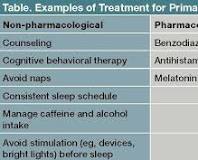
Cognitive behavioral therapy for insomnia (CBT-I) is a well-supported treatment and is often recommended as a first-line approach for chronic insomnia. It helps address the thoughts and habits that can keep sleep problems going. Consistent sleep and wake times, a comfortable sleep environment, and limiting late-day caffeine and alcohol may also support better sleep, though these steps may not be enough on their own.
When to seek medical advice
Talk with a healthcare professional if sleep problems persist, affect daytime functioning, or occur alongside symptoms such as loud snoring, gasping during sleep, significant mood changes, or ongoing pain. Insomnia that happens at least three nights a week for three months or longer deserves particular attention. A clinician can look for underlying causes, review medications and supplements, and recommend appropriate treatment.
Bottom line: No vitamin is a proven cure for insomnia. Correcting a confirmed deficiency may support overall health, but supplements should not replace an evaluation or evidence-based care. Check with a healthcare professional before taking high-dose vitamins or combining supplements with medication.
6 Potential Benefits of Clinician-Guided Vitamin Use for Insomnia
- May help correct a vitamin deficiency that affects overall health.
- Supports normal body functions involved in well-being.
- Can complement healthy sleep habits when medically appropriate.
- A deficiency check may uncover a treatable health concern.
- Some supplements are convenient when recommended by a clinician.
- Professional guidance can help avoid unnecessary or excessive doses.
4 Drawbacks of Taking Vitamins for Insomnia
- No vitamin is proven to cure insomnia.
- Supplements may cause side effects or interact with medications.
- Taking extra vitamins without a deficiency may not help.
- High doses of some vitamins can be harmful.
May help correct a vitamin deficiency that affects overall health.
If a vitamin deficiency is affecting your health, correcting it with guidance from a healthcare professional may support overall well-being and could ease related symptoms that interfere with sleep. However, taking extra vitamins won’t necessarily improve insomnia if you don’t have a deficiency, so it’s best to discuss testing and supplementation with a healthcare professional.
Supports normal body functions involved in well-being.
Getting enough essential vitamins supports normal body functions that contribute to overall well-being, including processes involved in energy use, brain and nerve function, and general health. If a vitamin deficiency is affecting how you feel, addressing it with guidance from a healthcare professional may support your well-being—but vitamins are not a proven treatment for insomnia.
Can complement healthy sleep habits when medically appropriate.
When medically appropriate, a vitamin supplement may complement healthy sleep habits, especially if a healthcare professional identifies a deficiency that could be affecting overall health. It should be part of a broader approach—such as keeping a consistent sleep schedule and creating a restful bedroom—not a replacement for good sleep practices or treatment for insomnia.
A deficiency check may uncover a treatable health concern.
Checking for vitamin deficiencies can be a useful step when sleep problems persist, because it may uncover a treatable health concern. A healthcare professional can assess symptoms, diet, medications, and—when appropriate—order testing to see whether a deficiency is present. Treating a confirmed deficiency may support overall health and could help if it is contributing to sleep difficulties, though vitamins are not a guaranteed insomnia treatment.
Some supplements are convenient when recommended by a clinician.
When a clinician recommends a supplement to address a specific need, it can be a convenient part of a sleep-care plan. Supplements are often easy to take at home and may fit into an existing routine. A clinician can also advise on the appropriate product and dose, check for possible interactions with medications, and help determine whether it is making a difference.
Professional guidance can help avoid unnecessary or excessive doses.
Professional guidance can help you choose a supplement only when it’s appropriate and use it safely. A healthcare professional can review your health history, medications, and possible nutrient deficiencies, then recommend whether testing or supplementation is needed. This can help you avoid unnecessary supplements and excessive doses, which may cause side effects or interact with medications.
No vitamin is proven to cure insomnia.
One drawback of using vitamins for insomnia is that no vitamin has been proven to cure the condition. While correcting a confirmed deficiency may support overall health, taking extra vitamins is unlikely to resolve ongoing sleep problems on its own. Relying on supplements instead of seeking appropriate care may also delay diagnosis and treatment of underlying causes, so persistent insomnia is best discussed with a healthcare professional.
Supplements may cause side effects or interact with medications.
Vitamins and other supplements marketed for sleep can cause side effects, especially when taken in high doses or combined with other products. They may also interact with prescription or over-the-counter medications, changing how those medicines work or increasing unwanted effects. Before trying a supplement for insomnia, check with a healthcare professional or pharmacist—particularly if you take medication, have a health condition, or are pregnant.
Taking extra vitamins without a deficiency may not help.
Taking extra vitamins without a diagnosed deficiency may not improve insomnia or help you sleep better. Your body only needs certain amounts of each nutrient, and excess supplements can cause side effects or interact with medications. Before using vitamins for sleep, talk with a healthcare professional to find out whether a deficiency may be contributing to your symptoms and whether supplementation is appropriate.
High doses of some vitamins can be harmful.
Taking high doses of vitamins to improve sleep can be harmful and may cause side effects or interfere with medications. For example, too much vitamin B6 over time can damage nerves, while excessive vitamin D can lead to a dangerous buildup of calcium in the blood. Supplements are not automatically safe because they are sold over the counter, so follow the label and consult a healthcare professional before taking them—especially if you use medications or have a health condition.