Dealing with Severe Insomnia for Years: Causes, Effects, and Solutions
Insomnia is a common sleep disorder that affects millions of people worldwide. While occasional sleepless nights are normal, experiencing severe insomnia for years can have a profound impact on one’s physical health, mental well-being, and overall quality of life.
Causes of Severe Insomnia
Severe insomnia can be caused by a variety of factors, including:
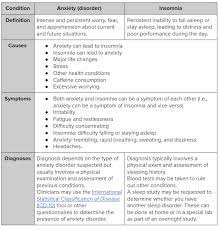
- Stress and Anxiety: Persistent stress and anxiety can make it difficult to relax and fall asleep.
- Underlying Health Conditions: Medical conditions such as chronic pain, asthma, or acid reflux can disrupt sleep patterns.
- Mental Health Disorders: Conditions like depression and post-traumatic stress disorder (PTSD) are often associated with insomnia.
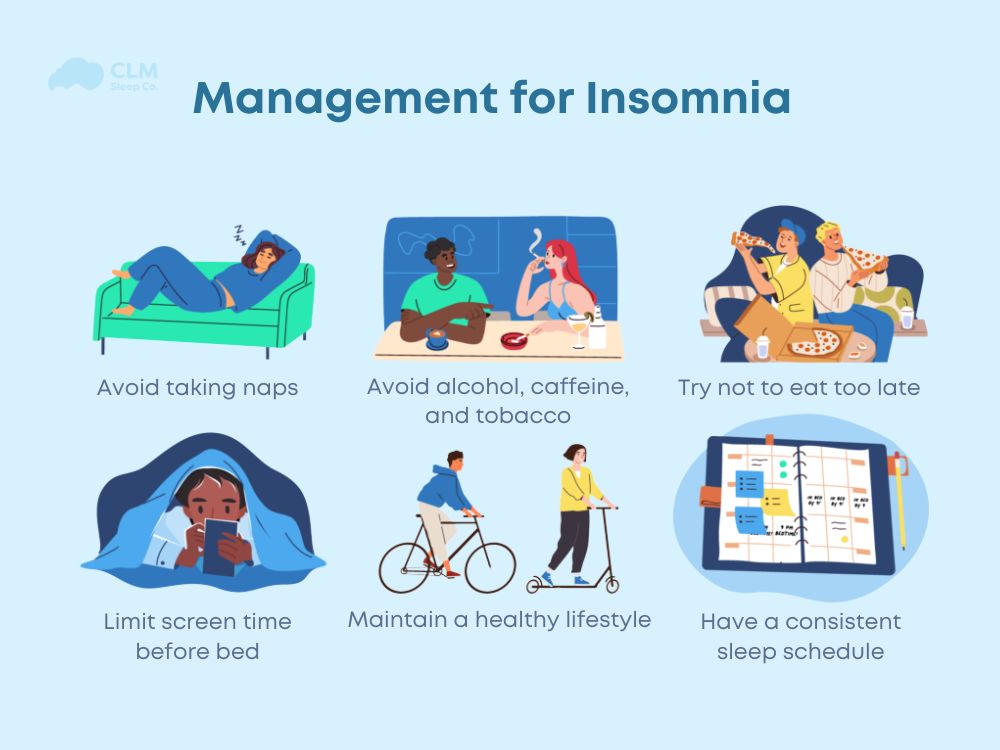
- Lifestyle Factors: Poor sleep habits, irregular sleep schedules, excessive screen time before bed, and consuming stimulants like caffeine or nicotine can contribute to chronic insomnia.
Effects of Severe Insomnia
The long-term effects of severe insomnia can be debilitating. Chronic sleep deprivation is linked to a range of health issues, including:
- Increased Risk of Heart Disease: Lack of quality sleep is associated with hypertension, heart attacks, and stroke.
- Weakened Immune System: Sleep deprivation compromises the immune system’s ability to fight off infections.
- Mental Health Challenges: Insomnia is linked to mood disorders like depression and anxiety.
- Cognitive Impairment: Chronic lack of sleep impairs concentration, memory retention, and decision-making skills.
Solutions for Severe Insomnia
If you have been struggling with severe insomnia for years, seeking professional help is crucial. Some effective strategies for managing chronic insomnia include:
- Cognitive Behavioral Therapy for Insomnia (CBT-I): A structured program that helps identify and change negative thoughts and behaviors affecting sleep.
- Sleep Hygiene Practices: Establishing a consistent bedtime routine, creating a comfortable sleep environment, and avoiding stimulants before bed.
- Mindfulness Meditation: Practicing mindfulness techniques can help calm the mind and promote relaxation before bedtime.
- Consulting a Healthcare Professional:
Understanding and Managing Long-Term Severe Insomnia: Causes, Effects, and Solutions
- What are the common causes of severe insomnia that lasts for years?
- How does severe insomnia for years impact physical health?
- What are the potential mental health effects of chronic insomnia?
- Can lifestyle changes help manage severe insomnia that persists over time?
- Are there any recommended treatments or therapies for long-term severe insomnia?
- When should someone seek professional help for severe insomnia lasting for years?
What are the common causes of severe insomnia that lasts for years?
Understanding the common causes of severe insomnia that persists for years is crucial in addressing this challenging sleep disorder. Several factors can contribute to long-term insomnia, including chronic stress and anxiety, underlying health conditions such as chronic pain or mental health disorders like depression, irregular sleep schedules and poor sleep habits, and lifestyle choices like excessive screen time before bed and the consumption of stimulants like caffeine or nicotine. Identifying and addressing these root causes with the help of healthcare professionals can be essential in effectively managing severe insomnia over an extended period.
How does severe insomnia for years impact physical health?
Severe insomnia experienced over a prolonged period can have a significant impact on one’s physical health. Chronic sleep deprivation resulting from severe insomnia for years can lead to a range of health issues. It is associated with an increased risk of heart disease, including hypertension, heart attacks, and stroke. Additionally, long-term sleep deprivation weakens the immune system, making individuals more susceptible to infections and illnesses. Furthermore, the cognitive impairment caused by chronic lack of sleep can affect concentration, memory retention, and decision-making abilities. Seeking professional help and implementing effective strategies to manage severe insomnia are crucial steps in mitigating its adverse effects on physical health.
What are the potential mental health effects of chronic insomnia?
Chronic insomnia, especially when experienced for years, can have significant mental health effects. Prolonged sleep deprivation disrupts the balance of neurotransmitters in the brain, leading to increased risks of developing mental health disorders such as depression and anxiety. Persistent insomnia can exacerbate existing mental health conditions, making it harder to manage symptoms effectively. Additionally, the cognitive impairments caused by chronic sleep deprivation can impact one’s ability to cope with stress, regulate emotions, and make sound decisions, further contributing to the deterioration of mental well-being. Seeking professional help and implementing effective sleep management strategies are crucial in addressing the potential mental health effects of chronic insomnia.
Can lifestyle changes help manage severe insomnia that persists over time?
Making lifestyle changes can indeed play a significant role in managing severe insomnia that persists over time. Adopting healthy sleep habits and creating a conducive sleep environment can positively impact sleep quality. Establishing a consistent bedtime routine, avoiding stimulants like caffeine and nicotine close to bedtime, and limiting screen time before sleep are essential steps in improving sleep patterns. Additionally, incorporating relaxation techniques such as mindfulness meditation or deep breathing exercises can help calm the mind and promote better sleep. Consulting with a healthcare professional or a sleep specialist can provide personalized guidance on lifestyle modifications tailored to address chronic insomnia effectively.
Are there any recommended treatments or therapies for long-term severe insomnia?
When it comes to long-term severe insomnia, there are several recommended treatments and therapies that can help individuals manage their condition effectively. Cognitive Behavioral Therapy for Insomnia (CBT-I) is often considered the gold standard for treating chronic sleep disturbances. This structured program helps individuals identify and change negative thoughts and behaviors that may be contributing to their insomnia. Additionally, relaxation techniques, such as mindfulness meditation and progressive muscle relaxation, can help calm the mind and body before bedtime. Consulting a healthcare professional is essential to explore personalized treatment options, including medication or alternative therapies, tailored to address the underlying causes of long-term severe insomnia.
When should someone seek professional help for severe insomnia lasting for years?
When faced with severe insomnia persisting for years, it is crucial to consider seeking professional help when the sleep disturbance significantly impacts daily functioning and quality of life. If traditional methods of improving sleep, such as establishing a bedtime routine or practicing relaxation techniques, have not been effective in alleviating chronic insomnia, it may be time to consult a healthcare provider. Additionally, if insomnia is accompanied by other concerning symptoms like persistent fatigue, mood changes, or cognitive impairment, seeking the guidance of a sleep specialist or mental health professional can help address underlying issues and develop tailored treatment plans to improve sleep quality and overall well-being.