Dealing With Insomnia: Practical Steps for Better Sleep
Most people have an occasional restless night. But when trouble falling asleep, waking during the night, or waking too early becomes a regular pattern, it can affect concentration, mood, energy, and overall health. The good news is that insomnia can often be managed with consistent habits and effective treatment.
What Is Insomnia?
Insomnia is difficulty sleeping despite having enough time and a suitable opportunity to rest. It may involve trouble falling asleep, repeated awakenings, waking earlier than intended, or feeling unrefreshed in the morning. Ongoing insomnia can also cause daytime fatigue, irritability, or difficulty focusing.
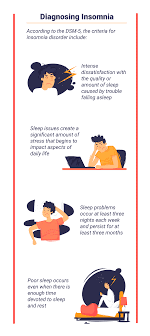
Consider speaking with a health care professional if sleep problems happen at least three nights a week for three months or more, interfere with daily life, or persist despite changes to your routine. Seek help sooner if sleep difficulties are severe or accompanied by other concerning symptoms.
Build a Sleep Routine
A steady schedule can help your body recognize when it is time to sleep. Try these habits:
- Keep a consistent wake-up time. Get up at about the same time every day, including weekends.
- Make time to wind down. Spend the last 30 to 60 minutes before bed doing calming activities, such as reading, taking a warm shower, or listening to quiet music.
- Create a comfortable sleep environment. Keep the bedroom dark, quiet, and comfortably cool. Consider room-darkening curtains, earplugs, or a fan if they help.
- Get daylight and movement during the day. Regular daytime activity and exposure to natural light can support a healthy sleep-wake rhythm. If exercise close to bedtime feels energizing, move it earlier.
- Limit naps. If you nap, keep it brief and avoid napping late in the day.
Rethink Common Sleep Disruptors
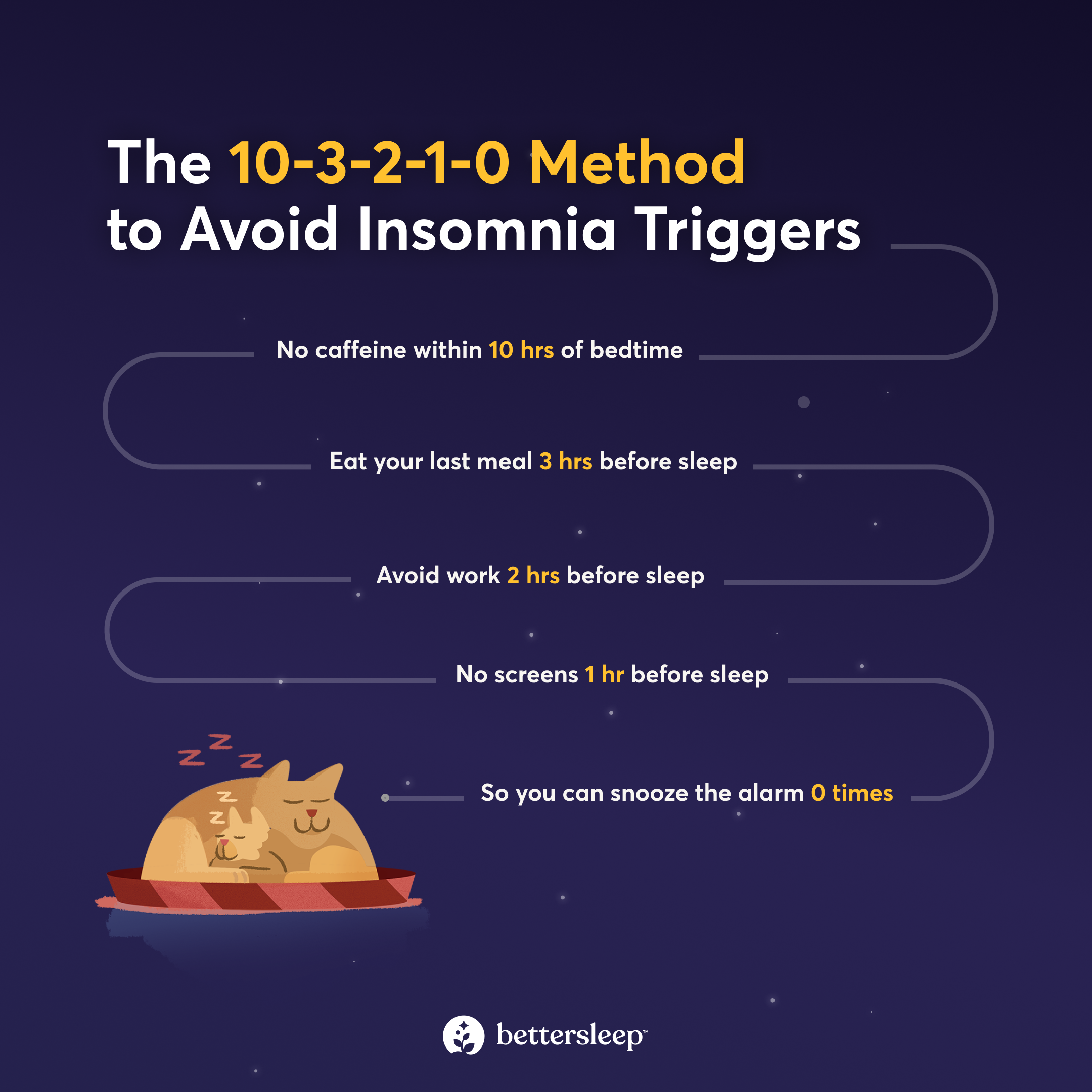
Caffeine can stay in the body for hours, so consider avoiding coffee, tea, energy drinks, and other caffeinated products in the afternoon and evening. Nicotine can also be stimulating. Alcohol may make you feel sleepy at first, but it can disrupt sleep later in the night. Large meals and too much liquid close to bedtime may also make it harder to sleep comfortably.
Bright light and engaging content from phones, tablets, and computers can make it harder to wind down. Try putting devices away before bed or reducing screen use as part of your evening routine.
What to Do When You Cannot Sleep
Trying hard to force sleep can make you more alert and frustrated. If you have been awake for a while and feel tense, get out of bed and do something quiet in dim light, such as reading a paper book. Return to bed when you feel sleepy. Keep the bed associated with sleep rather than work, scrolling, or worrying.
If worries tend to keep you awake, set aside a few minutes earlier in the evening to write down what is on your mind and any next steps. This may help keep problem-solving out of bedtime.
Consider Evidence-Based Treatment
Cognitive behavioral therapy for insomnia, often called CBT-I, is a structured treatment that helps address thoughts and behaviors that contribute to sleep difficulties. It may include strategies for strengthening the connection between bed and sleep, adjusting time spent in bed, and reducing worry about sleep. CBT-I is often recommended as a first-line treatment for ongoing insomnia. A health care professional can help you find a qualified provider or an appropriate program.
Sleep medication or supplements are not right for everyone and can have side effects or interact with other medicines. Talk with a health care professional before using them, especially if you have a medical condition, take other medications, or are pregnant. Avoid starting or stopping prescribed medication without professional guidance.
When to Talk With a Professional
Insomnia can be related to stress, pain, medications, mental health concerns, or another sleep condition. A clinician can review possible causes and recommend treatment. Keep a sleep diary for one or two weeks before an appointment, noting bedtimes, wake times, awakenings, naps, caffeine or alcohol use, and how you feel during the day.
Better sleep usually comes from a combination of consistent routines, addressing underlying causes, and getting the right support. If insomnia is affecting your well-being, you do not have to manage it alone.
6 Effective Strategies for Managing Insomnia and Improving Sleep Quality
- A consistent sleep schedule supports your body’s natural rhythm.
- A calming bedtime routine can make it easier to unwind.
- A cool, dark, quiet bedroom encourages restful sleep.
- Limiting caffeine and alcohol may reduce sleep disruptions.
- CBT-I offers an evidence-based approach to ongoing insomnia.
- A health care professional can help identify underlying causes.
Challenges in Overcoming Insomnia: Time, Side Effects, and the Need for Professional Care
- Improving sleep habits can take time and consistency.
- Some sleep treatments may cause side effects.
- Insomnia may need professional care to address underlying causes.
A consistent sleep schedule supports your body’s natural rhythm.
Keeping a consistent sleep schedule can help align your body’s natural sleep-wake rhythm. Going to bed and waking up around the same time each day—including weekends—makes it easier for your body to anticipate rest, which may help you feel sleepier at bedtime and more alert during the day. Over time, this regularity can be a helpful foundation for managing insomnia and improving sleep.
A calming bedtime routine can make it easier to unwind.
A calming bedtime routine can make it easier to unwind by signaling to your body and mind that the day is winding down. Simple activities—such as reading, taking a warm shower, gentle stretching, or listening to relaxing music—can help you shift away from work and daily worries. Repeating the same soothing steps each night may make bedtime feel more predictable and help you settle in for sleep.
A cool, dark, quiet bedroom encourages restful sleep.
A cool, dark, and quiet bedroom can make it easier to fall asleep and stay asleep. Lowering the temperature, blocking outside light with curtains or an eye mask, and reducing noise with earplugs or a fan can create a more restful environment. These simple changes help minimize distractions and support more consistent, restorative sleep.
Limiting caffeine and alcohol may reduce sleep disruptions.
Limiting caffeine and alcohol may help reduce sleep disruptions. Caffeine can make it harder to fall asleep, especially when consumed later in the day, while alcohol may cause fragmented, less restorative sleep even if it initially makes you feel drowsy. Cutting back—particularly in the afternoon and evening—can support more consistent, refreshing rest.
CBT-I offers an evidence-based approach to ongoing insomnia.
Cognitive behavioral therapy for insomnia (CBT-I) offers an evidence-based approach for ongoing sleep difficulties. It helps people identify and change the thoughts and habits that can keep insomnia going, while building healthier patterns around sleep. With guidance from a qualified provider, CBT-I can offer practical, lasting strategies without relying solely on sleep medication.
A health care professional can help identify underlying causes.
A health care professional can help identify what may be causing insomnia, rather than focusing only on the sleepless nights. Stress, pain, medications, mental health concerns, and other sleep conditions can all play a role. By reviewing your symptoms, health history, and sleep habits, a professional can recommend appropriate next steps and help you find treatment that addresses the underlying cause.
Improving sleep habits can take time and consistency.
Improving sleep habits can take time and consistency, which may feel frustrating when you are already tired and hoping for quick relief. Going to bed and waking up at regular times, changing evening routines, and limiting caffeine or screen use may not lead to better sleep right away. It can take several weeks to notice progress, so patience is important—and if insomnia continues or affects daily life, consider talking with a health care professional.
Some sleep treatments may cause side effects.
Some insomnia treatments, including prescription sleep medications and over-the-counter products, may cause side effects such as daytime drowsiness, dizziness, or difficulty concentrating. Some can also interact with other medications or may not be suitable for certain health conditions. Talk with a health care professional about the potential risks and benefits before starting a treatment, and follow their guidance on how to use it safely.
Insomnia may need professional care to address underlying causes.
One challenge of dealing with insomnia is that self-help strategies may not be enough when sleep problems stem from an underlying issue, such as stress, a health condition, medication side effects, or another sleep disorder. In those cases, professional care may be needed to identify the cause and recommend appropriate treatment, which can take time and add cost. Talking with a health care professional can help ensure the problem is addressed safely and effectively.