Levothyroxine and Insomnia: What to Know
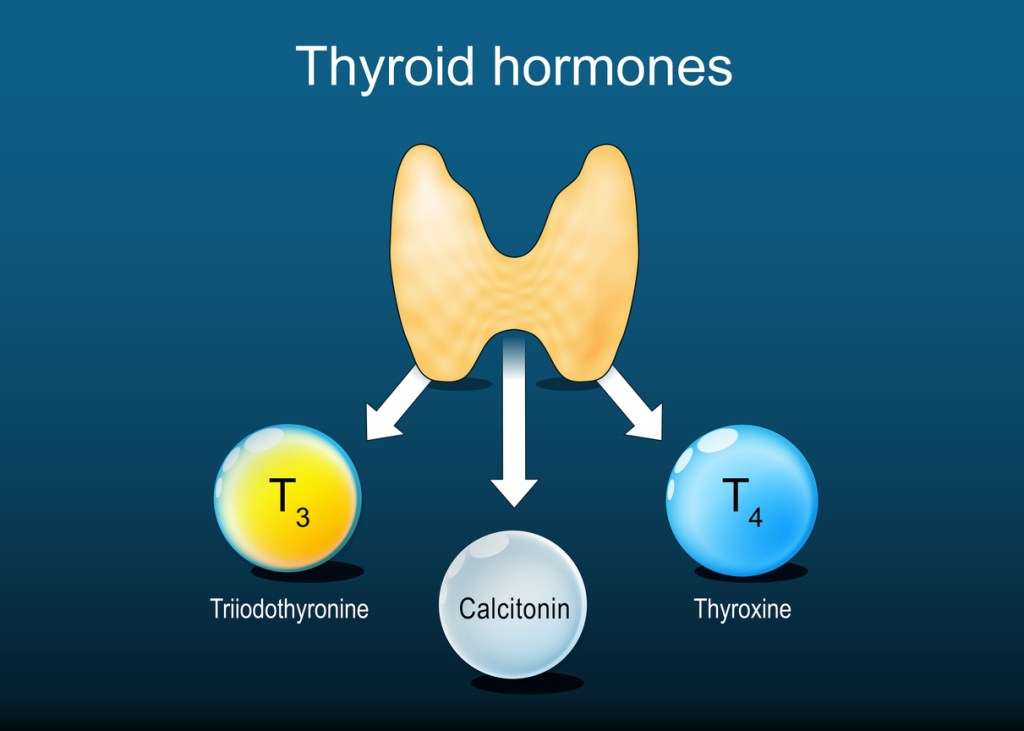
Levothyroxine is a prescription thyroid hormone used to treat hypothyroidism, or an underactive thyroid. When the dose is right, it replaces the hormone the body is not making in sufficient amounts. Some people taking levothyroxine experience trouble sleeping, but insomnia can have several causes—and the medication is not always to blame.
Can levothyroxine cause insomnia?
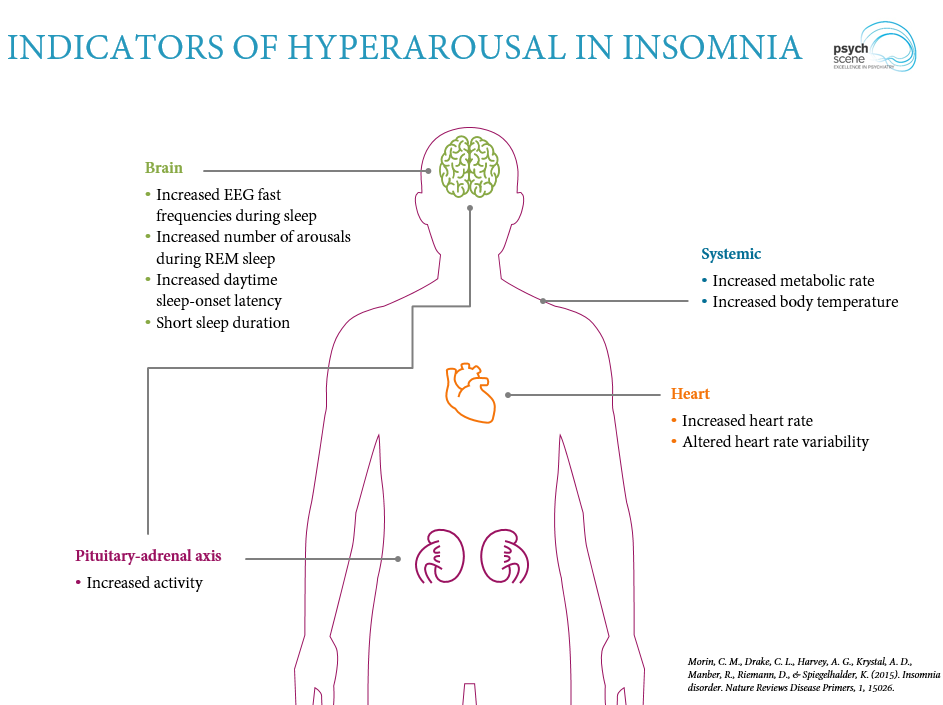
Insomnia, restlessness, and nervousness can occur when thyroid hormone levels are higher than the body needs. This may happen if the levothyroxine dose is too high or if a person becomes more sensitive to a dose that was previously appropriate. Other possible signs of too much thyroid hormone include a fast or pounding heartbeat, tremors, sweating, feeling unusually warm, anxiety, and unexplained weight loss.
These symptoms can resemble an overactive thyroid. They are a reason to contact a healthcare professional, who can review symptoms and decide whether thyroid blood tests or a dose adjustment are needed. Do not stop or change levothyroxine without medical advice.
Does the time you take it matter?
Levothyroxine is commonly taken once daily, either in the morning on an empty stomach or at bedtime several hours after eating. The best schedule depends on your clinician’s instructions and your routine. Taking it consistently in the same way helps keep absorption steady.
Food and some supplements or medicines can affect how much levothyroxine is absorbed. Calcium and iron supplements, for example, are generally taken several hours apart from it. Follow the directions on your prescription and ask a pharmacist or clinician how to space levothyroxine from other medicines. Don’t change the timing or take an extra dose to make up for a missed one without checking the instructions you were given.
Other possible causes of insomnia
Sleep problems may be related to factors besides levothyroxine, including stress, caffeine, alcohol, other medications, menopause, sleep apnea, anxiety, or an unrelated health condition. If insomnia began after starting levothyroxine or changing the dose, note when it started and any other symptoms. This information can help your healthcare professional assess the cause.
What to do if you’re having trouble sleeping
- Keep taking levothyroxine as prescribed unless your healthcare professional tells you otherwise.
- Contact your prescriber if insomnia persists, worsens, or occurs with symptoms such as tremors, sweating, or a racing heartbeat.
- Ask whether thyroid testing is appropriate. Thyroid levels are often rechecked after a dose change, based on your clinician’s guidance.
- Keep a regular sleep schedule and consider limiting late-day caffeine and alcohol.
Seek urgent medical care for chest pain, fainting, severe shortness of breath, or a very fast or irregular heartbeat. These symptoms need prompt assessment.
Levothyroxine is an important treatment for hypothyroidism, and many people take it without sleep problems. If insomnia develops, a healthcare professional can help determine whether the dose, timing, another medication, or a separate sleep issue may be contributing.
Levothyroxine and Insomnia: 9 Frequently Asked Questions
- Can levothyroxine cause insomnia?
- How long can insomnia last after starting levothyroxine?
- Can taking levothyroxine at night cause sleep problems?
- Should I take levothyroxine in the morning or at bedtime if it affects my sleep?
- Could my levothyroxine dose be too high if I have insomnia?
- What other symptoms may occur with levothyroxine-related insomnia?
- Should I stop taking levothyroxine if it keeps me awake?
- Can levothyroxine interact with caffeine or other medicines that affect sleep?
- When should I contact a healthcare professional about insomnia while taking levothyroxine?
Can levothyroxine cause insomnia?
Yes, levothyroxine can be associated with insomnia in some people, particularly if the dose is higher than needed and thyroid hormone levels become too high. Trouble sleeping may occur alongside symptoms such as restlessness, anxiety, tremors, sweating, or a fast heartbeat. Insomnia can also have other causes, so contact your healthcare professional if it starts or persists; they can review your symptoms and determine whether testing or a dose adjustment is appropriate. Keep taking levothyroxine as prescribed, and don’t change or stop your dose without medical advice.
How long can insomnia last after starting levothyroxine?
If insomnia is related to starting levothyroxine, it may improve as your body adjusts, but the timing varies; thyroid levels often take about 6 weeks to stabilize after starting or changing a dose. Ongoing trouble sleeping—especially with a racing heartbeat, tremors, sweating, or anxiety—could mean the dose needs review, so contact your healthcare professional rather than changing or stopping it yourself.
Can taking levothyroxine at night cause sleep problems?
Taking levothyroxine at night does not cause sleep problems for everyone, but some people notice insomnia or restlessness, particularly if their dose is higher than they need. The timing itself is not usually the only factor; consistent absorption and taking the medicine as directed are important. If you take it at bedtime, follow your prescriber’s instructions about how long to wait after eating and how to space it from supplements such as calcium or iron. If sleep problems begin or persist, talk with your healthcare professional before changing the dose or schedule.
Should I take levothyroxine in the morning or at bedtime if it affects my sleep?
Levothyroxine can usually be taken either in the morning or at bedtime, but consistency and an empty stomach are important: morning doses are generally taken 30–60 minutes before breakfast, while bedtime doses should be taken at least 3–4 hours after eating. If you think the medicine is affecting your sleep, ask your healthcare professional whether changing the timing is appropriate and whether your thyroid levels should be checked; don’t change your dose or schedule without guidance.
Could my levothyroxine dose be too high if I have insomnia?
Insomnia can be a sign that your levothyroxine dose is higher than your body needs, especially if it began after starting treatment or increasing the dose. Other possible signs of too much thyroid hormone include a racing heartbeat, tremors, sweating, feeling unusually warm, or unexplained weight loss. These symptoms can also have other causes, so contact your healthcare professional to discuss them and whether testing is needed. Don’t reduce or stop levothyroxine on your own.
What other symptoms may occur with levothyroxine-related insomnia?
When insomnia is related to too much levothyroxine, other symptoms may include nervousness or anxiety, a fast or pounding heartbeat, hand tremors, sweating, feeling unusually warm, and unexplained weight loss. These symptoms can have other causes, so contact your healthcare professional if they occur; seek urgent care for chest pain, fainting, or a very fast or irregular heartbeat. Don’t change or stop your dose without medical advice.
Should I stop taking levothyroxine if it keeps me awake?
No—don’t stop taking levothyroxine or change your dose without speaking with your healthcare professional. Stopping it can allow hypothyroidism symptoms to return, while persistent insomnia may have several causes, including a dose that needs review. Contact your prescriber to discuss when you take it, your symptoms, and whether thyroid testing or an adjustment is appropriate. Seek urgent care for chest pain, fainting, or a very fast or irregular heartbeat.
Can levothyroxine interact with caffeine or other medicines that affect sleep?
Yes. Caffeine can make it harder to fall asleep or stay asleep, and coffee taken too soon after levothyroxine may reduce how well the medicine is absorbed. Follow your prescription instructions—levothyroxine is often taken with water on an empty stomach, with coffee and food delayed for the recommended interval. Some medicines and supplements can also affect levothyroxine absorption or sleep, including calcium, iron, certain antacids, stimulants, and decongestants. Ask your pharmacist or healthcare professional how to space your medicines and whether any could be contributing to insomnia; don’t stop or change a medication on your own.
When should I contact a healthcare professional about insomnia while taking levothyroxine?
Contact a healthcare professional if insomnia begins after starting levothyroxine or changing your dose, persists, worsens, or affects your daily life. Reach out promptly if trouble sleeping occurs with symptoms such as a racing or pounding heartbeat, tremors, sweating, feeling unusually warm, or unexplained weight loss, since these can indicate that your thyroid hormone level or dose needs review. Don’t stop or adjust levothyroxine on your own; seek urgent care for chest pain, fainting, severe shortness of breath, or a very fast or irregular heartbeat.