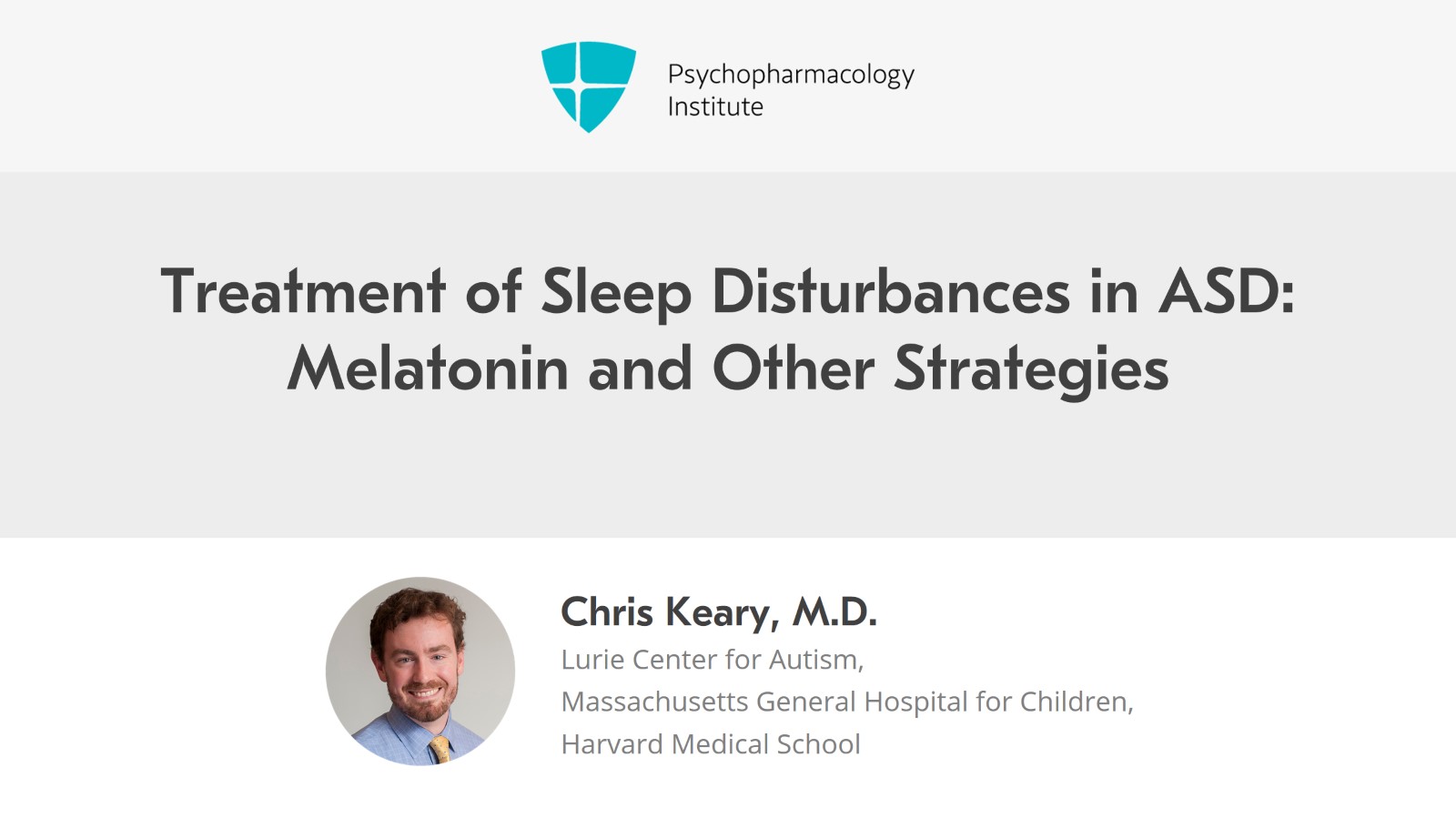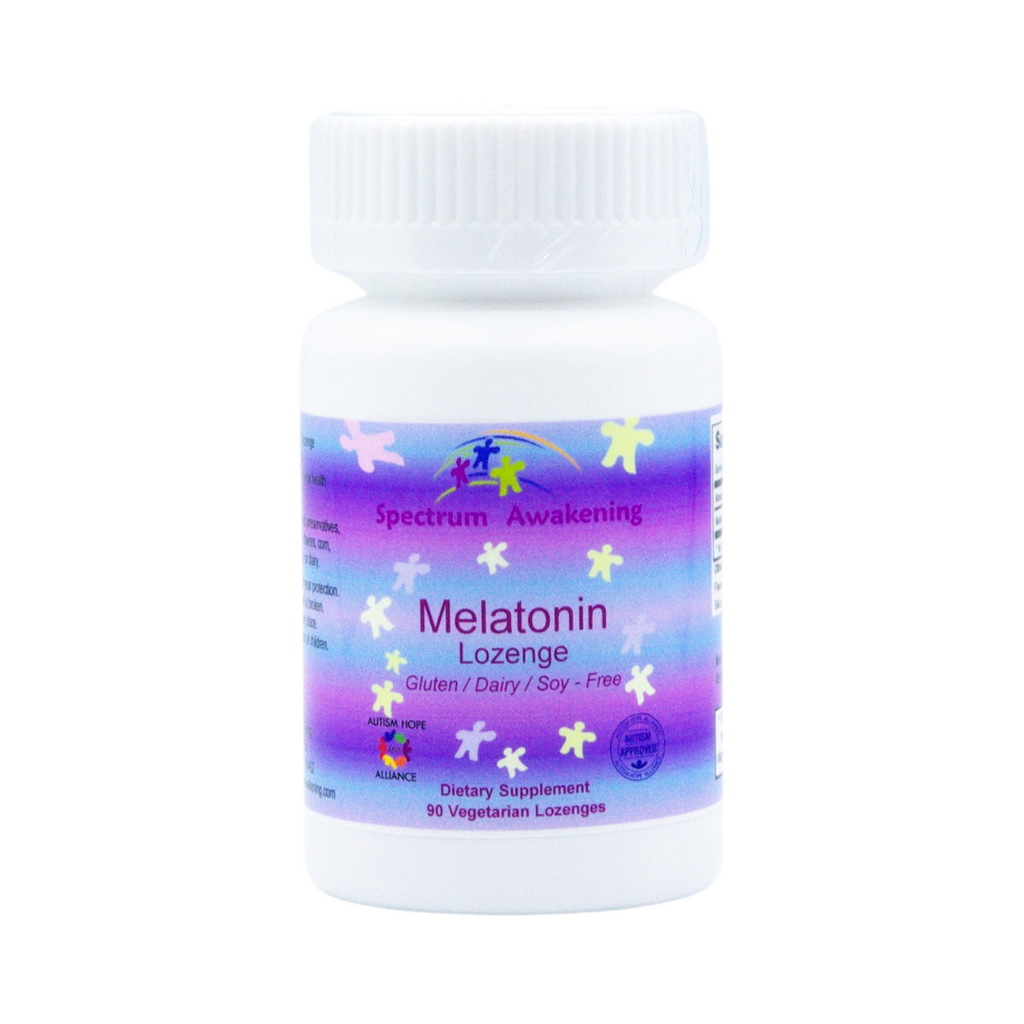
The Role of Melatonin in Autism
Autism spectrum disorder (ASD) is a complex neurodevelopmental condition that affects communication, behavior, and social interaction. Individuals with autism often experience difficulties with sleep, such as insomnia or irregular sleep patterns. One potential treatment that has gained attention in recent years is the use of melatonin supplements to improve sleep quality in individuals with autism.
Melatonin is a hormone produced by the pineal gland in the brain that regulates the sleep-wake cycle. It plays a crucial role in signaling to the body when it’s time to sleep and when it’s time to wake up. Research has shown that individuals with autism may have lower levels of melatonin or abnormal melatonin production, which can contribute to their sleep disturbances.
Studies have suggested that melatonin supplementation can help regulate the sleep patterns of individuals with autism, leading to improved overall sleep quality. By taking melatonin supplements at bedtime, individuals with autism may experience an easier time falling asleep, staying asleep through the night, and waking up feeling more rested and refreshed.
It’s important to note that while melatonin can be an effective tool for improving sleep in individuals with autism, it is essential to consult with a healthcare provider before starting any new supplement regimen. A healthcare provider can provide guidance on the appropriate dosage and timing of melatonin supplementation based on individual needs and considerations.
In conclusion, melatonin plays a significant role in regulating the sleep-wake cycle and may offer benefits for individuals with autism who experience sleep disturbances. By working closely with healthcare providers and incorporating melatonin supplementation into a comprehensive treatment plan, individuals with autism can potentially improve their overall quality of life through better sleep.
Understanding Melatonin Use in Autism: Benefits, Safety, Dosage, Sleep Improvement, and Potential Side Effects
- How does melatonin benefit individuals with autism?
- Is melatonin safe for individuals with autism to take?
- What is the recommended dosage of melatonin for individuals with autism?
- Can melatonin help improve sleep quality in individuals with autism?
- Are there any potential side effects of using melatonin in individuals with autism?
How does melatonin benefit individuals with autism?
Melatonin benefits individuals with autism by helping regulate their sleep patterns and improve overall sleep quality. Many individuals with autism experience difficulties with falling asleep, staying asleep, or maintaining a consistent sleep schedule, which can have a significant impact on their daily functioning and well-being. Melatonin supplementation can help address these sleep disturbances by signaling to the body when it’s time to sleep and promoting a more restful night’s rest. By improving sleep quality, melatonin can contribute to better mood, behavior, cognitive function, and overall quality of life for individuals with autism. It is important for caregivers and healthcare providers to consider melatonin as part of a comprehensive treatment plan tailored to the individual’s specific needs and preferences.
Is melatonin safe for individuals with autism to take?
Melatonin is generally considered safe for individuals with autism to take, but it is important to consult with a healthcare provider before starting any new supplement regimen. While melatonin can be beneficial in improving sleep quality for individuals with autism who experience sleep disturbances, it is essential to determine the appropriate dosage and timing based on individual needs and considerations. Healthcare providers can provide guidance on how to safely incorporate melatonin into a comprehensive treatment plan and monitor its effects to ensure optimal results without any potential risks or side effects.
What is the recommended dosage of melatonin for individuals with autism?
Determining the recommended dosage of melatonin for individuals with autism can vary depending on various factors, such as age, weight, and specific sleep patterns. It is crucial to consult with a healthcare provider or a qualified professional experienced in treating individuals with autism before starting any melatonin regimen. Healthcare providers can assess the individual’s unique needs and provide personalized recommendations regarding the appropriate dosage and timing of melatonin supplementation to ensure safe and effective use. Following professional guidance can help optimize the benefits of melatonin while minimizing potential risks or adverse effects in individuals with autism.
Can melatonin help improve sleep quality in individuals with autism?
Research suggests that melatonin can indeed help improve sleep quality in individuals with autism. Melatonin is a hormone that plays a crucial role in regulating the sleep-wake cycle, and individuals with autism often experience difficulties with sleep, such as insomnia or irregular sleep patterns. By taking melatonin supplements at bedtime, individuals with autism may find it easier to fall asleep, stay asleep through the night, and wake up feeling more rested and refreshed. It is important to consult with a healthcare provider before starting any new supplement regimen to determine the appropriate dosage and timing of melatonin supplementation for each individual’s specific needs.
Are there any potential side effects of using melatonin in individuals with autism?
When considering the use of melatonin in individuals with autism, it is important to be aware of potential side effects that may arise. While melatonin is generally considered safe for short-term use, some individuals may experience side effects such as daytime drowsiness, dizziness, or headaches. Additionally, melatonin may interact with certain medications or exacerbate underlying health conditions. It is crucial to consult with a healthcare provider before starting melatonin supplementation to ensure that it is safe and appropriate for the individual’s specific needs and circumstances. Monitoring for any adverse reactions and adjusting the dosage as needed under medical supervision can help minimize the risk of potential side effects while maximizing the benefits of melatonin for improving sleep in individuals with autism.