Sleep Soundly: Understanding Melatonin
When a good night’s sleep feels out of reach, melatonin may seem like a simple solution. This hormone helps regulate the body’s sleep-wake cycle, and melatonin supplements are commonly used to support sleep. They may help in some situations, but they are not a cure-all—and using them wisely matters.
What Is Melatonin?
Melatonin is a hormone produced naturally by the brain, mainly in response to darkness. Its levels typically rise in the evening, signaling that it is time to prepare for sleep, and fall with morning light. Melatonin helps set the timing of the body’s internal clock; it does not work like a conventional sleeping pill.
Supplemental melatonin may be useful when the sleep schedule is out of sync with the body clock, such as with jet lag or some shift-work schedules. It may also help some people who have difficulty falling asleep. Its benefits vary, and it may not improve every aspect of sleep, such as frequent waking during the night.
How to Use Melatonin Thoughtfully
Melatonin supplements are available in different doses and forms. More is not necessarily better. A low dose may be enough for some people, while higher doses can increase the chance of side effects without improving results. Because the right timing depends on the reason for taking it, ask a doctor or pharmacist for guidance—especially if sleep problems are ongoing.
- Follow the product label and a health professional’s advice.
- Take it only when there is enough time to sleep, and avoid driving or other activities that require alertness if you feel drowsy.
- Choose products from reputable manufacturers. In the United States, supplements are not approved by the FDA for safety and effectiveness before they are sold.
- Do not combine melatonin with alcohol or other substances that cause drowsiness unless a health professional says it is safe.
Possible Side Effects and Precautions
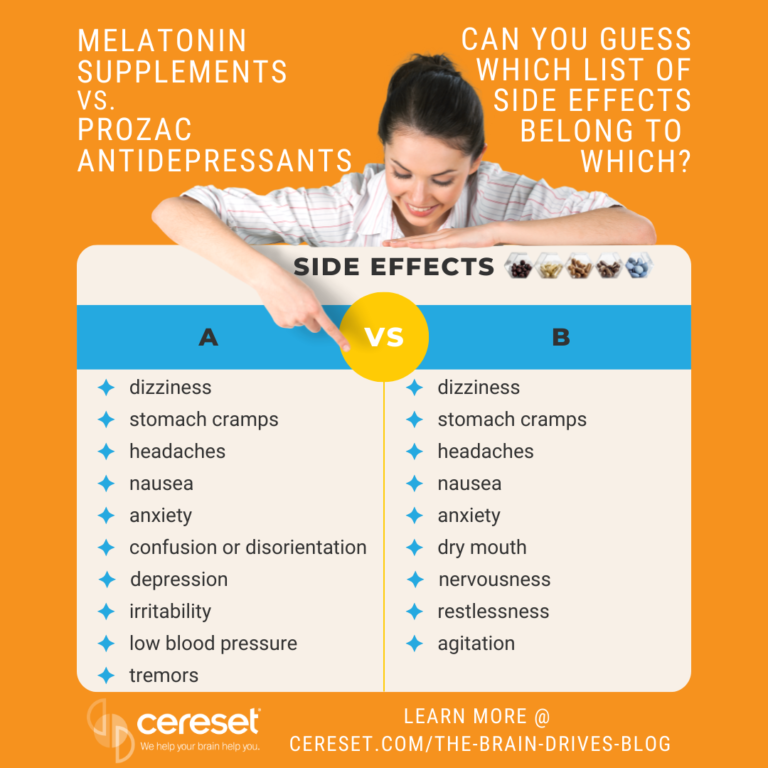
Melatonin can cause daytime sleepiness, dizziness, headache, or nausea. It may also interact with medicines, including some blood thinners, seizure medicines, and drugs that affect the immune system or blood sugar. Anyone who takes prescription medicine, has a medical condition, is pregnant or breastfeeding, or is considering melatonin for a child should consult a health professional first. Keep supplements out of children’s reach.
Build Habits That Support Better Sleep
Melatonin works best as part of a consistent sleep routine, not as a substitute for one. Try keeping a regular bedtime and wake time, getting natural light during the day, and dimming lights in the evening. A cool, quiet, dark bedroom can also help. Limiting late-day caffeine, alcohol near bedtime, and screen use before bed may make it easier to wind down.
When to Seek Help
If sleep difficulties continue for several weeks, interfere with daily life, or come with loud snoring, breathing pauses, or severe daytime sleepiness, speak with a health professional. Persistent insomnia may have an underlying cause, and treatments such as cognitive behavioral therapy for insomnia (CBT-I) can be effective.
Melatonin can be a helpful option for certain sleep-timing problems, but it is not right for everyone. Understanding its role, using it cautiously, and building healthy sleep habits can help support more restful nights.
6 Tips for Sounder Sleep and Safer Melatonin Use
- Keep a consistent bedtime and wake-up time.
- Take melatonin only as directed on the label or by a clinician.
- Use it shortly before bedtime; timing can affect results.
- Start with the lowest suitable dose rather than taking more.
- Avoid mixing melatonin with alcohol or sedating medicines.
- Ask a clinician before use if pregnant, giving it to a child, or taking other medicines.
Keep a consistent bedtime and wake-up time.
Keeping a consistent bedtime and wake-up time—including on weekends—helps regulate your body’s internal clock and supports its natural melatonin rhythm. Over time, a steady schedule can make it easier to feel sleepy at night and wake up refreshed in the morning.
Take melatonin only as directed on the label or by a clinician.
Take melatonin only as directed on the product label or by a clinician. The right dose and timing can vary, and taking more than recommended may increase side effects such as dizziness or daytime drowsiness without improving sleep. If you take medications, have a health condition, or are considering melatonin for a child, check with a healthcare professional first.
Use it shortly before bedtime; timing can affect results.
Take melatonin shortly before bedtime, following the product label or your health professional’s advice. Timing can affect how well it works, so taking it too early or too late may reduce its benefit. Allow enough time for a full night’s sleep, and avoid driving or other activities that require alertness if you feel drowsy.
Start with the lowest suitable dose rather than taking more.
When using melatonin, start with the lowest suitable dose rather than assuming more will work better. A small amount may be enough for some people, while higher doses can increase side effects such as morning grogginess, dizziness, or headache. Follow the product directions and ask a doctor or pharmacist what dose and timing are appropriate for you, especially if you take medications or have a health condition.
Avoid mixing melatonin with alcohol or sedating medicines.
Avoid mixing melatonin with alcohol or sedating medicines unless a healthcare professional says it’s safe. Combining substances that cause drowsiness can increase side effects such as dizziness, confusion, and impaired coordination, and may make it harder to stay alert. If you take prescription or over-the-counter medication, check with a doctor or pharmacist before using melatonin.
Ask a clinician before use if pregnant, giving it to a child, or taking other medicines.
Before using melatonin, ask a clinician for guidance if you’re pregnant, considering it for a child, or taking any medications. Melatonin can affect people differently and may interact with certain medicines, so a health professional can help determine whether it’s appropriate and how to use it safely.