Sleep Devices for Insomnia: What Helps, What Doesn’t, and How to Choose
When insomnia makes it hard to fall asleep, stay asleep, or feel rested, a sleep device can seem like a simple solution. Some devices make the bedroom more comfortable or reduce distractions. Others track sleep or deliver a treatment. But devices vary widely in evidence, and none is a guaranteed cure.
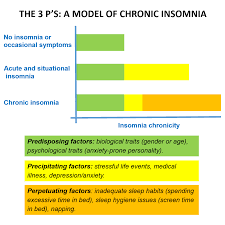
For ongoing insomnia, cognitive behavioral therapy for insomnia (CBT-I) is generally recommended as a first-line treatment. It teaches practical skills for changing sleep-related habits and thought patterns. Devices may support those efforts, but they should not replace proven care or an evaluation for other sleep or health conditions.
Devices that can support a better sleep environment
White-noise machines
White-noise machines and sound apps create steady background sound that may mask traffic, household noise, or other disruptions. Some people find them helpful, although research results are mixed. Keep the volume comfortable and avoid placing a speaker close to your head. If you use a phone app, set it up before bed so the screen does not become another source of light or distraction.
Light-blocking curtains and sleep masks
Reducing unwanted light can make a bedroom more sleep-friendly, especially for people who sleep during the day or live in a bright area. Blackout curtains and eye masks do not treat the underlying causes of insomnia, but they may help when light is a frequent disturbance.
Fans, air conditioners, and cooling products
A fan, temperature control, or cooling mattress pad may help if the room feels too warm or stuffy. Comfort matters, but there is no single ideal setting for everyone. Choose a setup that feels comfortable and does not create disruptive noise, drafts, or discomfort.
Sleep trackers: useful patterns, imperfect measurements
Watches, rings, and bedside sensors estimate sleep using signals such as movement, heart rate, or breathing. They can help some people notice broad patterns, such as a changing bedtime or frequent interruptions. However, consumer trackers do not measure sleep as accurately as a clinical sleep study, and they cannot diagnose insomnia or other sleep disorders.
For some people, checking sleep scores can increase worry and make bedtime feel like a performance test. If tracking leaves you more anxious, consider taking a break or turning off nightly scores. A simple sleep diary may be a less stressful way to record bedtime, wake time, and daytime effects.
Digital tools and CBT-I
Some apps and online programs teach CBT-I skills, such as keeping a consistent wake time, adjusting time spent in bed, and addressing unhelpful thoughts about sleep. These programs can be convenient, but quality and features differ. Look for a structured program based on CBT-I rather than an app that only offers relaxation sounds or sleep tips.
A clinician trained in CBT-I can tailor treatment and help address challenges. Digital programs may be useful when in-person care is hard to access, but they are not equally suitable for everyone. Ask a health care professional whether a particular program fits your needs.
Devices that treat other sleep problems
Some sleep-related devices are designed for conditions that can disrupt sleep, rather than insomnia itself. For example, continuous positive airway pressure (CPAP) is used to treat obstructive sleep apnea. It is not an insomnia treatment, and it should be used following an appropriate diagnosis and prescription. If you snore loudly, wake up gasping, or feel unusually sleepy during the day, discuss these symptoms with a health care professional.
Be cautious with devices promising a quick fix
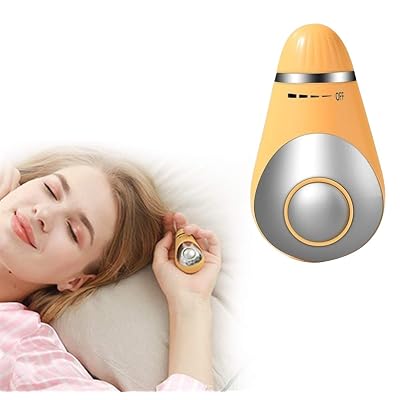
Products that claim to reset your brain, guarantee deep sleep, or cure insomnia deserve careful scrutiny. Evidence for some newer or consumer-facing technologies is limited, and marketing claims may go beyond what research supports. Check whether the device has been evaluated for the specific problem it claims to treat, and ask a qualified clinician before trying a device that delivers electrical stimulation or another medical intervention.
How to choose a sleep device
- Start with the problem: Identify whether noise, light, temperature, schedule, or another issue is affecting your sleep.
- Look for realistic claims: A device may support sleep, but claims to cure chronic insomnia should be viewed cautiously.
- Consider how it makes you feel: If tracking or sleep technology increases stress, it may not be the right choice.
- Check safety and comfort: Follow product instructions and stop using anything that causes discomfort or irritation.
- Prioritize effective care: For persistent insomnia, ask about CBT-I and whether an evaluation for other causes is appropriate.
When to seek help
Consider contacting a health care professional if sleep problems continue for several weeks, interfere with daily life, or occur alongside symptoms such as loud snoring, breathing pauses, restless legs, pain, or significant mood changes. A clinician can help identify possible causes and discuss treatment options.
Sleep devices can make the sleep environment more comfortable and may support healthy routines. For chronic insomnia, however, the most useful approach is often not a gadget alone, but a structured treatment plan that addresses the habits, thoughts, and health factors keeping sleep difficult.
9 Potential Benefits of Sleep Devices for Insomnia
- Can mask disruptive background noise.
- May help block unwanted light.
- Can make the bedroom more comfortable.
- May support a consistent bedtime routine.
- Some apps offer CBT-I techniques.
- Trackers can reveal broad sleep patterns.
- Timers can reduce overnight screen use.
- May help identify environmental sleep disruptions.
- Can complement professional insomnia treatment.
Sleep Devices for Insomnia: Anxiety Risks, Limited Evidence, and High Costs
- Sleep trackers can increase anxiety about sleep.
- Many devices lack strong evidence for treating insomnia.
- Devices can be costly and may not address the underlying cause.
Can mask disruptive background noise.
Sleep devices such as white-noise machines, fans, or sound apps can help mask disruptive background noise, including traffic, neighbors, or household sounds. By creating a steady, gentle sound, they may make sudden noises less noticeable and help create a more consistent sleep environment. Choose a comfortable volume and sound, since noise that is too loud or distracting may interfere with sleep rather than support it.
May help block unwanted light.
Sleep devices such as blackout curtains and comfortable sleep masks can help block unwanted light from streetlamps, early morning sun, or indoor electronics. A darker bedroom may feel more calming and reduce visual distractions, making it easier for some people with insomnia to settle down and maintain a consistent sleep routine. These devices won’t treat every cause of insomnia, but they can make the sleep environment more comfortable.
Can make the bedroom more comfortable.
Sleep devices can make the bedroom more comfortable by helping create an environment that feels calm and restful. A fan or sound machine may soften distracting noises, while blackout curtains or a sleep mask can reduce unwanted light. Temperature-control devices may also help if the room feels too warm. These changes don’t cure insomnia, but a more comfortable sleep space can make it easier to relax at bedtime.
May support a consistent bedtime routine.
Sleep devices can help support a consistent bedtime routine by providing gentle reminders to wind down, dimming lights, or playing calming sounds at a set time each evening. Repeating these cues can make it easier to transition from daily activities to sleep. While a device cannot cure insomnia on its own, using it as part of a regular, relaxing routine may help make bedtime feel more predictable and comfortable.
Some apps offer CBT-I techniques.
Some sleep apps offer techniques based on cognitive behavioral therapy for insomnia (CBT-I), a structured approach that helps people build healthier sleep habits and address thoughts that can make insomnia worse. Depending on the app, these tools may include guidance on keeping a consistent wake-up time, relaxation exercises, or strategies for managing worries about sleep. Digital programs can be convenient, but quality varies, and an app may not be a substitute for working with a qualified professional.
Trackers can reveal broad sleep patterns.
Sleep trackers can help reveal broad patterns over time, such as when you tend to go to bed, how consistently you wake up, or whether your sleep seems more disrupted on certain nights. These estimates aren’t a medical diagnosis and may not precisely measure sleep stages, but they can offer a useful starting point for noticing routines and discussing ongoing concerns with a health care professional.
Timers can reduce overnight screen use.
Timers can help reduce overnight screen use by automatically turning off a sleep device, audio program, or display after a set period. This prevents sounds or light from continuing throughout the night and reduces the chance that a device will disturb sleep later. Setting a timer can also make it easier to enjoy a calming bedtime routine without needing to wake up and switch the device off.
May help identify environmental sleep disruptions.
Sleep devices can help identify environmental factors that may be disrupting sleep, such as noise, light, or changes in room temperature. By tracking patterns over time, they may reveal links between these conditions and restless nights, making it easier to try practical changes—like using blackout curtains, reducing background noise, or adjusting the thermostat. Device readings are estimates, so they’re best used as clues rather than a diagnosis.
Can complement professional insomnia treatment.
Sleep devices can complement professional insomnia treatment by helping reinforce the strategies recommended by a health care provider or CBT-I specialist. For example, a sound machine may reduce disruptive noise, while a sleep diary or carefully used tracker may help reveal patterns to discuss during appointments. These tools work best as support—not substitutes—for evidence-based care, and they should be stopped or adjusted if they increase stress or interfere with sleep.
Sleep trackers can increase anxiety about sleep.
Sleep trackers can make some people more anxious by turning sleep into something to monitor and score every night. Worrying about sleep stages, nightly ratings, or small changes in the data may create pressure to achieve a “perfect” night, making it harder to relax at bedtime. If tracking leaves you more stressed than informed, consider turning off sleep scores, taking a break from the device, or discussing persistent sleep concerns with a health care professional.
Many devices lack strong evidence for treating insomnia.
Many sleep devices are marketed as solutions for insomnia, but strong scientific evidence supporting their effectiveness is often limited. A tracker may estimate sleep patterns, and a sound or light device may make the bedroom more comfortable, but neither necessarily treats the underlying causes of persistent insomnia. Before spending money on a device, look for reliable research on its specific claims and consider discussing proven options, such as cognitive behavioral therapy for insomnia (CBT-I), with a health care professional.
Devices can be costly and may not address the underlying cause.
Sleep devices for insomnia can be expensive, and buying one does not guarantee better sleep. A tracker, sound machine, or other gadget may offer comfort or useful information, but it may not address the underlying cause, such as stress, medication effects, a medical condition, or another sleep disorder. Before investing in a device, consider discussing persistent sleep problems with a health care professional.