Psychological Insomnia: When Worry Gets in the Way of Sleep
Most people have an occasional night when stress, worry, or an important event makes it hard to sleep. But when difficulty sleeping becomes persistent—and concern about sleep itself keeps the cycle going—it may be psychological insomnia, often called psychophysiological insomnia.
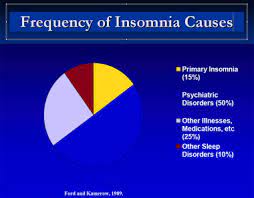
Insomnia can have many causes, including medical conditions, medications, changes in schedule, and mental health concerns. Psychological factors may contribute, but they are not the only possible explanation. A health care professional can help identify what is affecting your sleep.
What Is Psychological Insomnia?
Psychological insomnia is a pattern in which thoughts, emotions, and learned responses make it difficult to fall asleep, stay asleep, or return to sleep after waking. A person may begin to associate bedtime or the bedroom with frustration and alertness rather than rest.
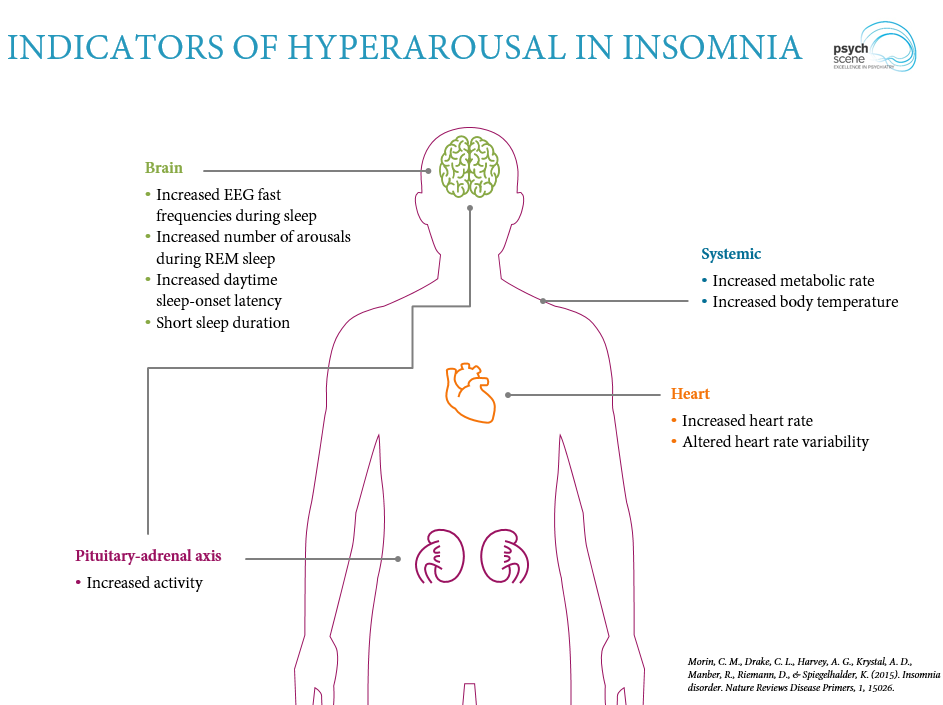
For example, after several poor nights, someone might start checking the clock, calculating how little sleep is left, or worrying about how they will function the next day. That pressure can increase mental and physical arousal, making sleep even harder. Over time, the bed itself may become a cue for worry.
Common Signs and Symptoms
Insomnia can look different from person to person. Common experiences include:
- Taking a long time to fall asleep
- Waking during the night or earlier than intended
- Feeling anxious or frustrated at bedtime
- Thinking repeatedly about sleep or the consequences of not sleeping
- Feeling tired, irritable, or less focused during the day
- Sleeping better in some settings than in the bedroom or at the usual bedtime
These symptoms do not by themselves establish a diagnosis. Insomnia disorder is generally assessed based on how often the difficulty occurs, how long it has lasted, and whether it causes meaningful daytime problems.
Factors That Can Contribute
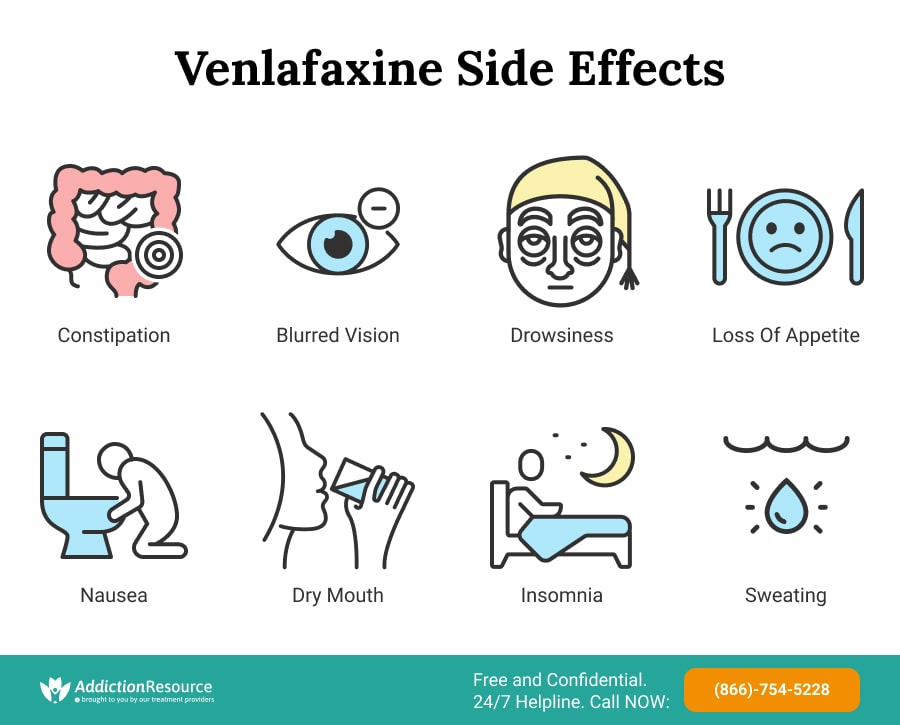
Stressful events, work or family pressures, grief, anxiety, and depression can disrupt sleep. Irregular sleep schedules, long or late naps, and spending extended time awake in bed can also reinforce sleep difficulties. Caffeine, nicotine, alcohol, some medications, and certain health conditions may play a role as well.
Insomnia can also occur alongside other sleep disorders, such as sleep apnea or restless legs syndrome. Persistent sleep problems deserve attention rather than assumptions about the cause.
What Can Help?
Cognitive behavioral therapy for insomnia (CBT-I) is a structured, evidence-based treatment and is commonly recommended as a first-line treatment for chronic insomnia. It helps people change unhelpful thoughts and behaviors around sleep. CBT-I may include strategies such as stimulus control, sleep scheduling or sleep restriction, relaxation skills, and work on sleep-related worries. It is available through trained clinicians and, in some cases, validated digital programs.
Simple habits can support treatment, though sleep hygiene alone may not resolve ongoing insomnia:
- Keep a consistent wake-up time, including on weekends.
- Use the bed primarily for sleep and intimacy rather than work or prolonged scrolling.
- If you are awake and becoming frustrated, get out of bed and do something quiet in dim light; return when you feel sleepy.
- Make the sleep environment comfortable, dark, and quiet.
- Consider limiting caffeine later in the day and avoiding nicotine near bedtime.
- Avoid using alcohol as a sleep aid. It may make you feel drowsy at first but can disrupt sleep later in the night.
- Make time during the day to address worries, rather than trying to solve every problem in bed.
Sleep restriction and other CBT-I techniques can temporarily increase daytime sleepiness. They may need to be adapted with a qualified clinician, especially for people with certain medical conditions, safety-sensitive jobs, or a history of mania or seizures.
When to Seek Help
Consider speaking with a health care professional if sleep problems persist, interfere with daily life, or lead to significant distress. A clinician can review your sleep pattern, medications, health history, and possible contributing conditions, and recommend appropriate treatment. Seek prompt help if sleep difficulties occur with severe mood symptoms, thoughts of self-harm, or dangerous daytime sleepiness, such as drowsiness while driving.
Psychological insomnia can feel like a frustrating cycle, but it is treatable. With a careful assessment and effective strategies—particularly CBT-I—many people can reduce sleep-related worry and build more reliable sleep patterns.
This article is for general information and is not a substitute for professional medical advice, diagnosis, or treatment.
Understanding Psychological Insomnia: Causes, Symptoms, and Solutions
- What are the warning signs of sleep deprivation?
- What are the psychological causes of insomnia?
- What are the symptoms of idiopathic insomnia?
- Is psychophysiological insomnia a mental disorder?
- How to fix psychophysiological insomnia?
- How do you overcome psychophysiological insomnia?
- What causes psychological insomnia?
What are the warning signs of sleep deprivation?
Warning signs of sleep deprivation can include daytime sleepiness, difficulty concentrating or remembering things, slower reaction times, irritability, mood changes, and trouble making decisions. Some people also experience frequent yawning, low motivation, headaches, or dozing off during quiet activities. If these symptoms persist, interfere with daily life, or make activities like driving unsafe, talk with a health care professional; ongoing sleep problems may have several causes and deserve evaluation.
What are the psychological causes of insomnia?
Psychological causes of insomnia can include stress, anxiety, depression, grief, and ongoing worries about work, relationships, health, or daily responsibilities. These concerns can keep the mind and body alert at bedtime, making it harder to fall or stay asleep. Insomnia can also become self-reinforcing: after several poor nights, worrying about sleep or watching the clock may create more tension and make sleep feel even less attainable. Psychological factors are only one possible cause, so persistent sleep problems are best discussed with a health care professional.
What are the symptoms of idiopathic insomnia?
Idiopathic insomnia, a term historically used for long-lasting insomnia with no clearly identifiable cause, typically begins in childhood and may continue throughout life. Symptoms can include persistent difficulty falling asleep, frequent or prolonged awakenings, waking too early, and feeling that sleep is unrefreshing. During the day, a person may experience fatigue, irritability, trouble concentrating, or reduced performance. These symptoms can have other causes, so a health care professional should assess ongoing sleep problems rather than relying on symptoms alone.
Is psychophysiological insomnia a mental disorder?
Psychophysiological insomnia is a recognized type of chronic insomnia in which learned sleep-related worry and arousal can make it difficult to fall or stay asleep. It is not, by itself, the same as a mental health disorder, though it can occur alongside conditions such as anxiety or depression. A health care professional can assess the cause of sleep difficulties and recommend appropriate treatment, such as cognitive behavioral therapy for insomnia (CBT-I).
How to fix psychophysiological insomnia?
Psychophysiological insomnia is often treated with cognitive behavioral therapy for insomnia (CBT-I), which helps reduce sleep-related worry and change habits that keep the problem going. A consistent wake-up time, using the bed mainly for sleep, and getting out of bed briefly when you’re awake and becoming frustrated can help rebuild the association between bed and sleep. Relaxation techniques and setting aside time earlier in the day to address worries may also help. If insomnia persists or affects daily life, consult a health care professional or CBT-I provider to identify contributing factors and create a safe, personalized treatment plan.
How do you overcome psychophysiological insomnia?
Psychophysiological insomnia is often treated with cognitive behavioral therapy for insomnia (CBT-I), which helps break the cycle of sleep-related worry and wakefulness. Strategies may include keeping a consistent wake-up time, using the bed mainly for sleep, getting out of bed briefly if you’re awake and becoming frustrated, and practicing relaxation techniques. Good sleep habits can support recovery, but persistent insomnia may need professional care, so consider speaking with a health care provider or a clinician trained in CBT-I.
What causes psychological insomnia?
Psychological insomnia often develops when stress, anxiety, low mood, or difficult life events make it harder to sleep. After several restless nights, worry about not sleeping—or about feeling tired the next day—can increase tension and alertness at bedtime. Over time, habits such as clock-watching, spending long periods awake in bed, or keeping an irregular sleep schedule may reinforce the cycle. Physical health conditions, medications, caffeine, alcohol, and other sleep disorders can also contribute, so persistent insomnia may warrant evaluation by a health care professional.