Sleep Hypnotherapy: A Calmer Path to Better Rest
A restless night can affect much more than your energy. When sleep is difficult, it can be harder to concentrate, manage stress, and feel like yourself during the day. Sleep hypnotherapy may help some people build a calmer relationship with bedtime and develop habits that support more restful sleep.
What Is Sleep Hypnotherapy?
Sleep hypnotherapy uses guided relaxation, focused attention, and carefully chosen suggestions to help a person work toward changes in thoughts and behaviors related to sleep. A session may include calming imagery, breathing exercises, and suggestions for feeling more at ease at bedtime.
Hypnosis is not the same as being asleep or losing control. People generally remain aware of their surroundings and can choose how they respond. Hypnotherapy is a complementary approach—not a guaranteed cure or a substitute for medical care.
How Might It Support Better Sleep?
Stress, racing thoughts, and worry about not sleeping can make it harder to wind down. Hypnotherapy may help some people practice relaxation and respond differently to those thoughts. Sessions can also reinforce helpful routines, such as setting aside time to unwind before bed.
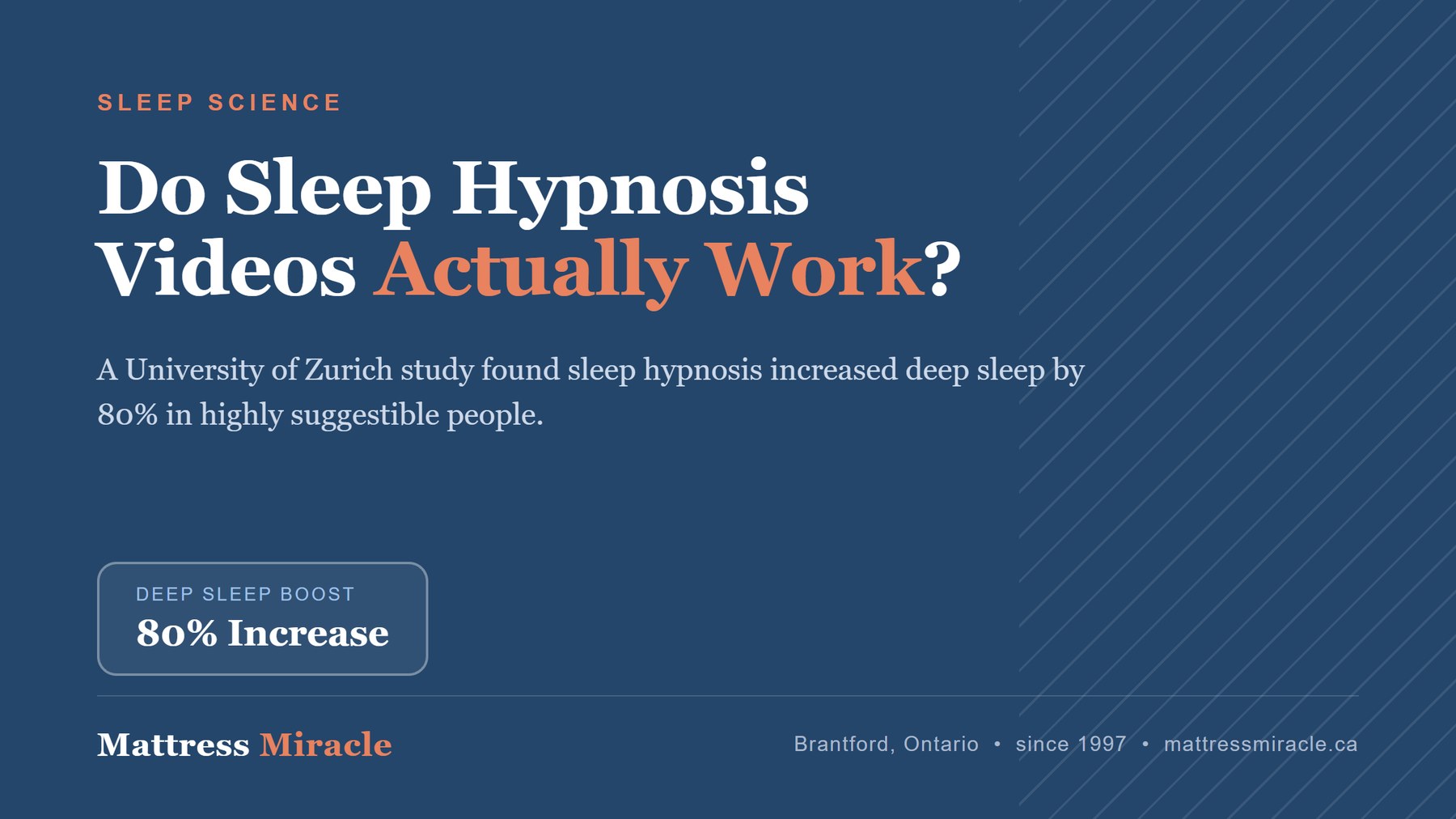
Research on hypnosis for sleep is still developing, and results vary. It may be useful as part of a broader plan, especially when combined with good sleep habits and guidance from a qualified health professional when needed.
What Happens During a Session?
A sleep hypnotherapy session often begins with a conversation about your sleep goals, routines, and concerns. The practitioner may then guide you through relaxation and focused attention, followed by suggestions tailored to your needs. Some people are also given a recording or simple exercises to practice between sessions.
Sessions should be collaborative and respectful. You should feel comfortable asking questions, discussing what you hope to achieve, and sharing any concerns.
Habits That Can Complement Hypnotherapy
Sleep-supportive routines can help reinforce the skills practiced in sessions. Consider:
- Keeping a consistent bedtime and wake-up time, including on weekends.
- Creating a quiet, dark, and comfortable bedroom.
- Allowing time to unwind before bed with a relaxing routine.
- Reducing late-day caffeine and limiting alcohol, which can disrupt sleep.
- Using the bed primarily for sleep, rather than work or stressful activities.
Is Sleep Hypnotherapy Right for You?
Sleep hypnotherapy may appeal to people who want to explore relaxation techniques and address stress or unhelpful bedtime patterns. It is not suitable as a replacement for evaluation of ongoing sleep problems. Persistent insomnia, loud snoring, gasping during sleep, or significant daytime sleepiness may point to a condition that needs medical attention.
If sleep difficulties continue, speak with a healthcare professional. They can help identify possible causes and discuss evidence-based options, including cognitive behavioral therapy for insomnia (CBT-I), which is a recommended treatment for chronic insomnia.
A Supportive Approach to Rest
Better sleep often comes from a combination of support, consistent routines, and patience. Sleep hypnotherapy may offer one way to practice relaxation and approach bedtime with greater ease. Results differ from person to person, so choose a qualified practitioner and consider hypnotherapy as part of a thoughtful, well-rounded approach to sleep.
6 Tips for Using Sleep Hypnotherapy Safely and Effectively
- Choose a licensed clinician trained in hypnotherapy and sleep care.
- Use hypnotherapy as a complement, not a replacement for proven insomnia treatment.
- Practice in a quiet, comfortable place when you can safely relax.
- Try brief guided sessions regularly and notice how you respond.
- Avoid sessions while driving or doing tasks that require alertness.
- Seek medical advice for persistent insomnia or worsening symptoms.
Choose a licensed clinician trained in hypnotherapy and sleep care.
Choose a licensed clinician who is trained in both hypnotherapy and sleep care. This helps ensure your sessions are tailored to your needs, grounded in appropriate clinical practice, and coordinated with medical support if needed. Before starting, ask about the clinician’s qualifications, experience treating sleep concerns, and approach to care.
Use hypnotherapy as a complement, not a replacement for proven insomnia treatment.
Sleep hypnotherapy may help you relax and develop a calmer bedtime routine, but it should complement—not replace—proven treatment for insomnia. If sleep problems persist, talk with a healthcare professional about evidence-based options such as cognitive behavioral therapy for insomnia (CBT-I). A qualified clinician can help you choose an approach that fits your needs and check for underlying causes of poor sleep.
Practice in a quiet, comfortable place when you can safely relax.
For sleep hypnotherapy, choose a quiet, comfortable place where you can settle in without interruptions and safely relax. Silence notifications, adjust the lighting, and get comfortable in a chair or bed. Choose a time when you don’t need to drive, operate equipment, or stay alert, and follow the recording or practitioner’s guidance at your own pace.
Try brief guided sessions regularly and notice how you respond.
Try brief guided hypnotherapy sessions regularly and notice how you respond over time. A few minutes of calming imagery, gentle breathing, or soothing suggestions before bed may help you unwind and make bedtime feel more relaxing. Keep your expectations realistic, and adjust the length or style of the sessions to find what feels comfortable for you.
Avoid sessions while driving or doing tasks that require alertness.
Avoid listening to sleep hypnotherapy while driving or doing anything that requires your full attention, such as operating machinery or working with tools. Guided relaxation may make you feel calm or drowsy, which can reduce alertness and slow your reactions. Choose a safe, quiet place where you can relax without needing to respond to traffic, equipment, or other hazards.
Seek medical advice for persistent insomnia or worsening symptoms.
If insomnia continues despite changes to your routine, or your symptoms are getting worse, seek advice from a healthcare professional. Ongoing sleep problems can have underlying causes that hypnotherapy alone may not address, and a clinician can help assess your symptoms and recommend appropriate care.